Black Vaudeville is a term that specifically describes Vaudeville-era African American entertainers and the milieus of dance, music, and theatrical performances they created. Spanning the years between the 1880s and early 1930s, these acts not only brought elements and influences unique to American black culture directly to African Americans but ultimately spread them beyond to both white American society and Europe.
Cover of A Rabbit's Foot theatre programme, about 1908
Pat Chapelle's Imperial Colored Minstrels Ad, 1899, Memphis Tennessee. Vaudeville had its roots in Minstrel Shows; Pat Chapelle toured the South with his show and paved the way for Black performers and entrepreneurs in Vaudeville
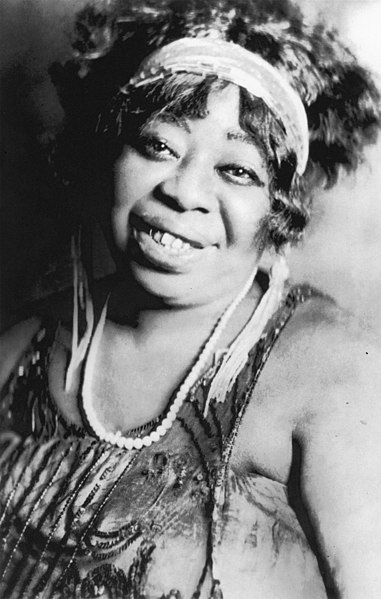
Blues singerMa Rainey got her start with Pat Chapelle's Company, A Rabbit's Foot
Tim Moore, who became famous as Kingfish in Amos 'n' Andy, worked in Vaudeville
Coon songs were a genre of music that presented a stereotype of Black people. They were popular in the United States and Australia from around 1880 to 1920, though the earliest such songs date from minstrel shows as far back as 1848, when they were not yet identified with "coon" epithet. The genre became extremely popular, with white and Black men giving performances in blackface and making recordings. Women known as coon shouters also gained popularity in the genre.
Sheet music for "Coon, Coon, Coon", which bills itself as "The Most Successful Song Hit of 1901" with insert photo of minstrel show star Lew Dockstader in blackface
Sheet music to "Every Race Has a Flag But the Coon"
Sheet music to Ernest Hogan's "All Coons Look Alike to Me".
Sheet music to "Ma Honey Gal". Coon songs suggested that the most common living arrangement for Black people was a "honey" relationship (unmarried cohabitation), rather than marriage.