Symposium (Plato)
Videos
The Symposium is a Socratic dialogue by Plato, dated c. 385 – 370 BC. It depicts a friendly contest of extemporaneous speeches given by a group of notable Athenian men attending a banquet. The men inc

Papyrus Oxyrhynchus 843, a 2nd century papyrus roll containing the Symposium

A fresco taken from the north wall of the Tomb of the Diver (from Paestum, Italy, c. 475 BC): a symposium scene

A terracotta figurine of Aphrodite Urania, c. 3rd century BC. Aphrodite Urania symbolized an elevated, more spiritual love, as opposed to the more earthly and lustful Aphrodite Pandemos.
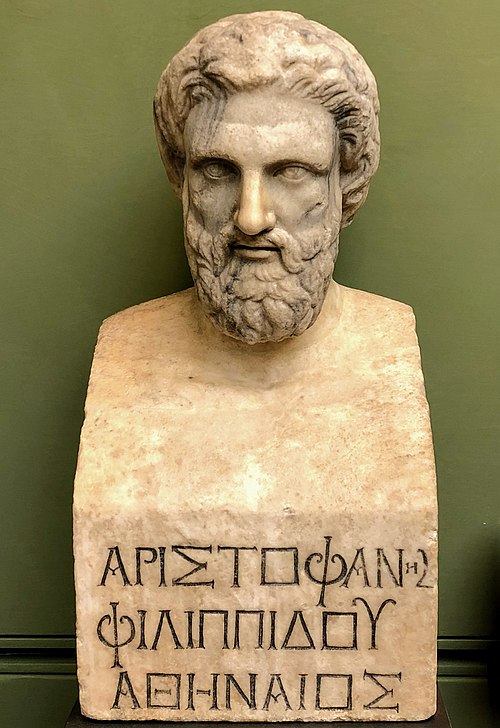
Aristophanes, who notoriously parodied Socrates in his comedy The Clouds, gives a possibly satirical speech on Eros at the symposium.
Alcibiades
Videos
Alcibiades was an Athenian statesman and general. The last of the Alcmaeonidae, he played a major role in the second half of the Peloponnesian War as a strategic advisor, military commander, and polit
Symposium (Plato)
…extemporaneous speeches given by a group of notable Athenian men attending a banquet. The men include the philosopher Socrates, the general and statesman Alcibiades, and the comic playwright Aristophanes. The panegyrics are to be given in praise of Eros, the god of love and sex. In the Symposium, Eros is recognized…

Detail of Alcibiades Being Taught by Socrates, by François-André Vincent (1777)

Jean-Baptiste Regnault: Socrates dragging Alcibiades from the Embrace of Sensual Pleasure (1791) (Louvre)

Battle of Potidaea (432 BC): Athenians against Corinthians (detail). Scene of Socrates saving Alcibiades. 18th-century engraving.

Jean-Léon Gérôme: Socrates seeking Alcibiades in the House of Aspasia (1861)