Adam Smith
Videos
Adam Smith was a Scottish economist and philosopher who was a pioneer in the field of political economy and key figure during the Scottish Enlightenment. Seen by many as the "father of economics", or
Posthumous Muir portrait, c. 1800


François Quesnay, one of the leaders of the physiocratic school of thought

David Hume was a friend and contemporary of Smith's.

Portrait of Smith by John Kay, 1790
The Wealth of Nations
Videos
An Inquiry into the Nature and Causes of the Wealth of Nations, usually referred to by its shortened title The Wealth of Nations, is a book by Scottish economist and moral philosopher Adam Smith. Publ
Adam Smith
…as the "father of economics", or the "father of capitalism", he is primarily known for two classic works: The Theory of Moral Sentiments (1759) and An Inquiry into the Nature and Causes of the Wealth of Nations (1776). The latter, often abbreviated as The Wealth of Nations, is regarded as his magnum opus, marking the inception of modern economic scholarship…

Title-page of the 1776 London edition

Bust of Smith in the Adam Smith Theatre, Kirkcaldy
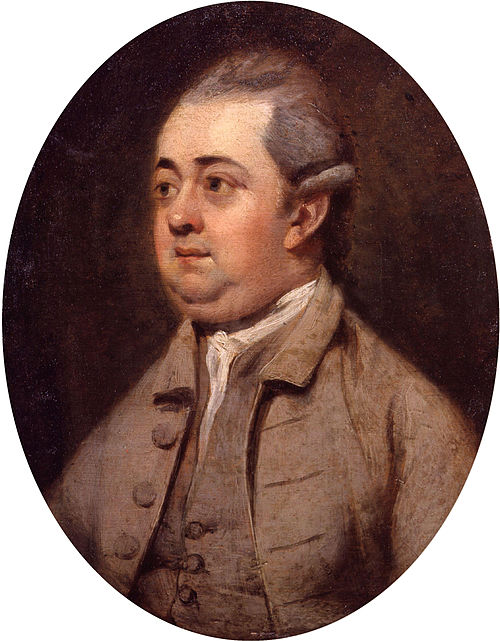
Edward Gibbon praised The Wealth of Nations.

Charles James Fox was the first person to mention The Wealth of Nations in Parliament.