Babylonia
Videos
Babylonia was an ancient Akkadian-speaking state and cultural area based on the city of Babylon in central-southern Mesopotamia. It emerged as an Akkadian-populated but Amorite-ruled state c. 1894 BC.
Hammurabi (standing), depicted as receiving his royal insignia from Shamash (or possibly Marduk). Hammurabi holds his hands over his mouth as a sign of prayer (relief on the upper part of the stele of Hammurabi's code of laws).


Cylinder seal, c. 18th–17th century BC. Babylonia.

Prism of Sennacherib (705–681 BC), containing records of his military campaigns, culminating with Babylon's destruction. Exhibited at the Oriental Institute of the University of Chicago.

Babylonian prisoners under the surveillance of an Assyrian guard, reign of Ashurbanipal 668–630 BC, Nineveh, British Museum ME 124788
Akkadian language
Videos
Akkadian is an East Semitic language that is attested in ancient Mesopotamia from the mid-third millennium BC until its gradual replacement in common use by Old Aramaic among Mesopotamians by the 8th
Babylonia
…Babylonia (; Akkadian: 𒆳𒆍𒀭𒊏𒆠, māt Akkadī) was an ancient Akkadian-speaking state and cultural area based on the city of Babylon in central-southern Mesopotamia (present-day…
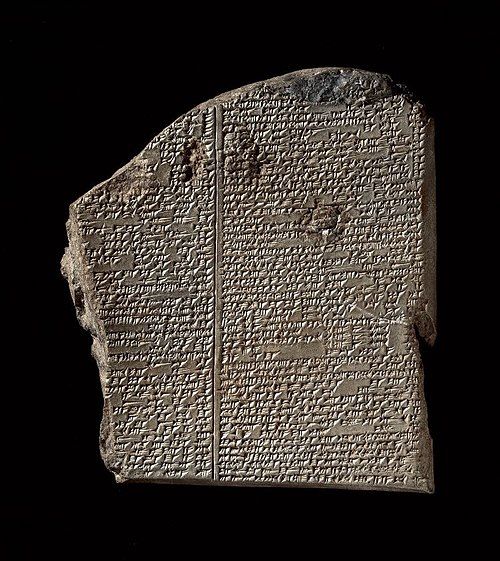
The Deluge tablet of the Gilgamesh epic in Akkadian
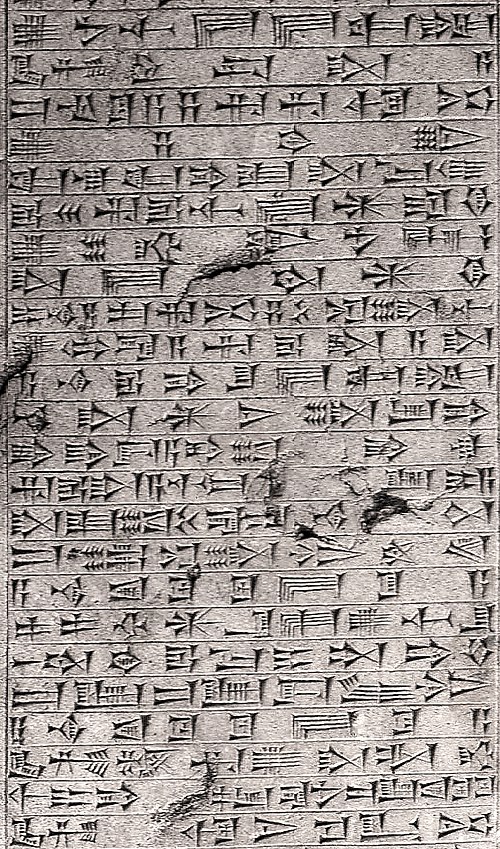
A Neo-Babylonian inscription of Nebuchadnezzar II

Georg Friedrich Grotefend
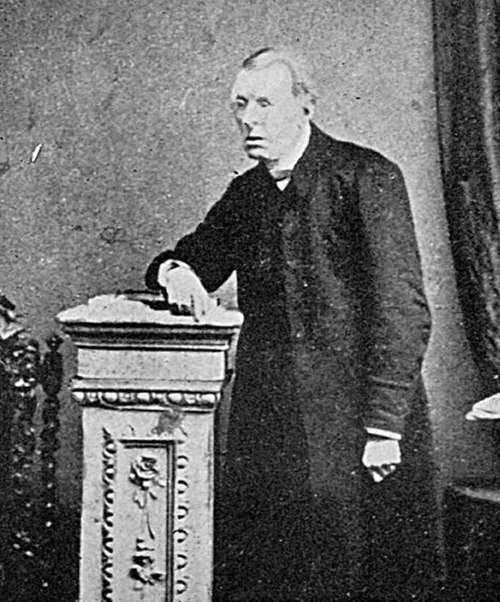
Edward Hincks