Breakup of Yugoslavia
Videos
After a period of political and economic crisis in the 1980s, the constituent republics of the Socialist Federal Republic of Yugoslavia split apart in the early 1990s. Unresolved issues from the break
Serbian President Slobodan Milošević's unequivocal desire to uphold the unity of Serbs, a status which was threatened by each republic breaking away from the federation, in addition to his opposition to the Albanian authorities in Kosovo, further inflamed ethnic tensions.


Croatian President Franjo Tuđman

Bosnian Muslim leader Alija Izetbegović

Bosnian Serb leader Radovan Karadžić
Yugoslavia
Videos
Yugoslavia was a country in Central Europe and the Balkans that existed from 1918 to 1992. It came into existence following World War I, under the name of the Kingdom of Serbs, Croats and Slovenes, fr
Breakup of Yugoslavia
…of Yugoslavia with a large number of ethnic minorities) and Kosovo (with a large ethnic-Albanian population). Despite the federal structure of the new Yugoslavia, there was still tension between the federalists, primarily Croats and Slovenes who argued for greater autonomy, and unitarists, primarily Serbs. The…
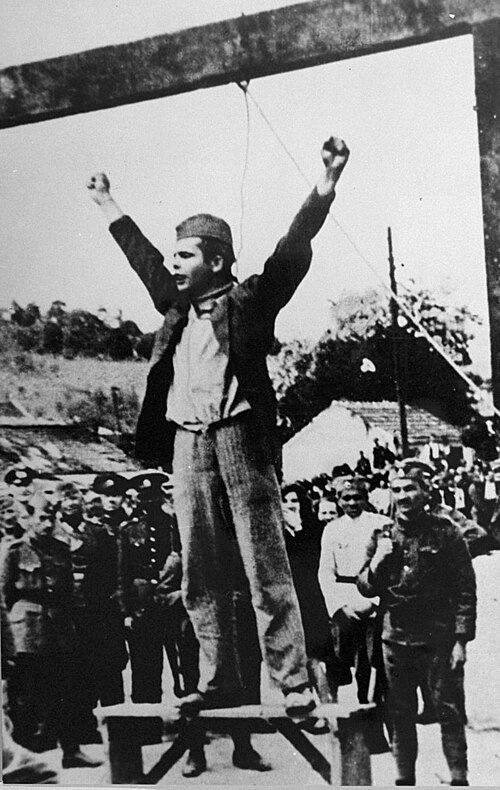
Partisan Stjepan Filipović shouting "Death to fascism, freedom to the people!" shortly before his execution (1942)
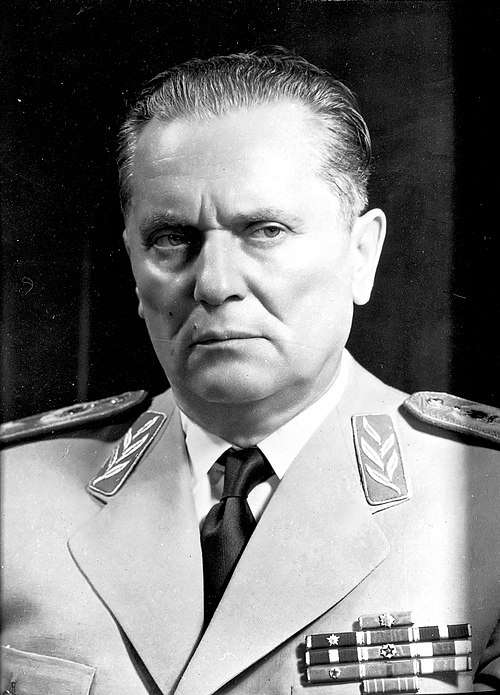
Marshal Josip Broz Tito, the first President of the Socialist Federal Republic of Yugoslavia.