Cambrian explosion
Videos
The Cambrian explosion is an interval of time beginning approximately 538.8 million years ago in the Cambrian period of the early Paleozoic, when a sudden radiation of complex life occurred and practi

Rusophycus and other trace fossils from the Gog Group, Middle Cambrian, Lake Louise, Alberta, Canada
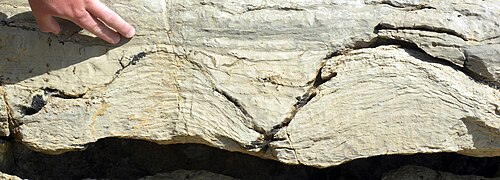
Stromatolites (Pika Formation, Middle Cambrian) near Helen Lake, Banff National Park, Canada
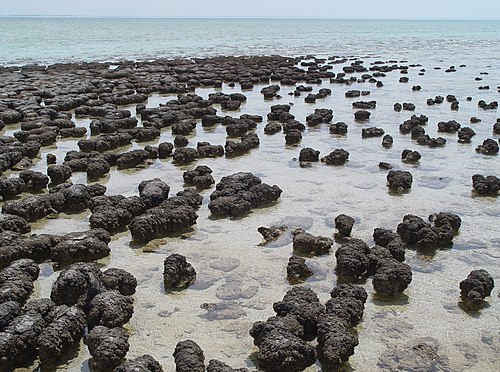
Modern stromatolites in Hamelin Pool Marine Nature Reserve, Western Australia

An Ediacaran trace fossil, made when an organism burrowed below a microbial mat
Animal
Videos
Animals are multicellular, eukaryotic organisms belonging to the biological kingdom Animalia. Animals consume organic material, breathe oxygen, have muscle cells, can reproduce sexually, and grow from
Cambrian explosion
…538.8 million years ago in the Cambrian period of the early Paleozoic, when a sudden radiation of complex life occurred and practically all major animal phyla started appearing in the fossil record. It lasted for about 13 to 25 million years and resulted in the divergence of most modern metazoan phyla…

Sexual reproduction is nearly universal in animals, such as these dragonflies.
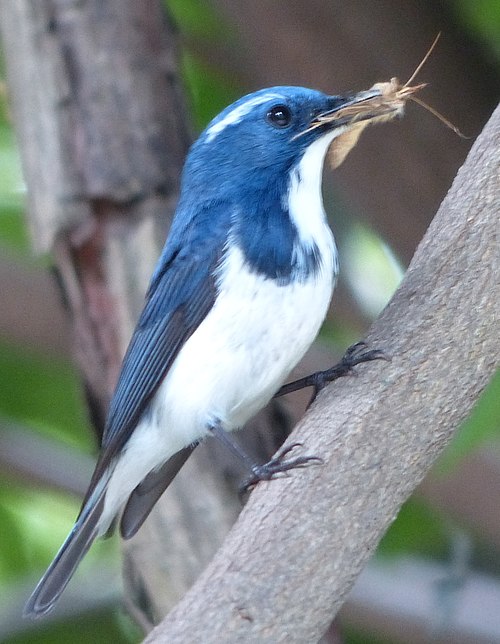
Predators, such as this ultramarine flycatcher (Ficedula superciliaris), feed on other animals.

Hydrothermal vent mussels and shrimps

The blue whale is the largest animal that has ever lived; it can be up to 33.6 metres (110 ft) long.