Irrigation in viticulture
Videos
Irrigation in viticulture is the process of applying extra water in the cultivation of grapevines. It is considered both controversial and essential to wine production. In the physiology of the grapev

A vineyard with a drip irrigation system running along the bottom of the vines

Advances in irrigation have allowed viticulture to flourish in very dry climates, such as parts of Australia, that might not otherwise be able to sustain grapevines.

Water is vital to many of the physiological processes of the grape vine, including photosynthesis.

Sandy soils typically have poor water retention but good drainage. However, if its mixed with significant amounts of clay, such as this soil sample, its water retaining properties will increase while still draining well.
Israeli wine
Videos
Israeli wine is produced by hundreds of wineries, ranging in size from small boutique enterprises to large companies producing over ten million bottles per year.
Irrigation in viticulture
…in areas that couldn't otherwise support viticulture. Advances and research in these wine regions (as well as some Old World wine regions such as Israel), have shown that potential wine quality could increase in areas where irrigation is kept to a minimum and managed. The main principle behind this is…

Israeli wines
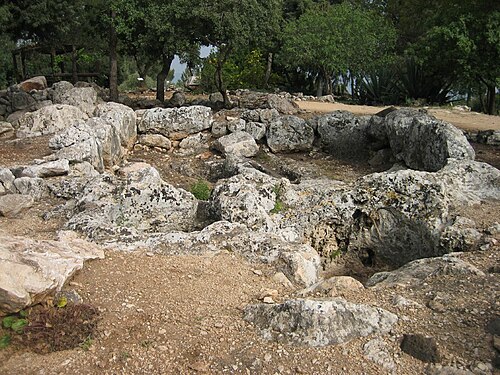
Ruins of an ancient Israeli wine press dating to the Talmudic period (100–400 CE)

Zichron Yaakov winery, 1945

Vineyard in the Elah Valley of Israel