Middlesex
Videos
Middlesex was a county in southeast England. Its area was almost entirely within the wider urbanised area of London and mostly within the ceremonial county of Greater London, with small sections in neighbouring ceremonial counties. The county's boundaries largely followed three rivers: the Thames in the south, the Lea to the east and the Colne to the west. A line of hills formed the northern boundary with Hertfordshire.

Middlesex as part of the Diocese of London in 1714. The diocese was based on the East Saxon kingdom, and was probably originally larger than shown here.
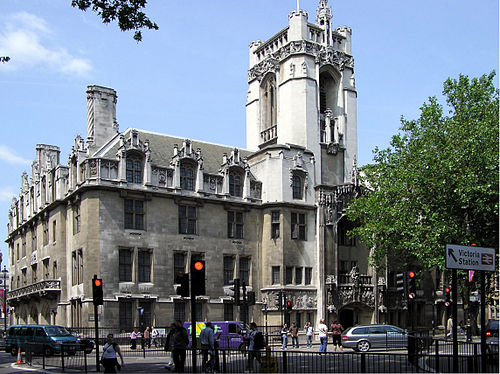
The Middlesex Guildhall at Westminster, which now houses the Supreme Court of the United Kingdom.

Coats of arms of Middlesex (left) and Buckinghamshire (right) in stained glass at the exit from Uxbridge tube station.

County of Middlesex sign in 2014, on the border between the London Boroughs of Barnet and Enfield.
Constable of the Tower
Videos
The Constable of the Tower is the most senior appointment at the Tower of London. In the Middle Ages a constable was the person in charge of a castle when the owner—the king or a nobleman—was not in residence. The Constable of the Tower had a unique importance as the person in charge of the principal fortress defending the capital city of England.

General The Lord Dannatt, dressed in full ceremonial uniform of HM's Constable of the Tower (2010)

The 2024 Constable's Dues Ceremony at the Tower of London.
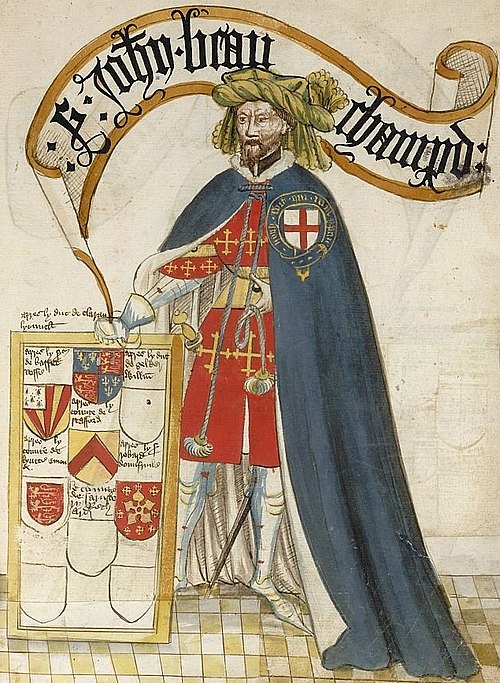
Image: Beauchamp 1430

Image: Edward of Norwich Duke of York