Sharan Rani Backliwal
Videos
Photos
Sharan Rani was an Indian classical sarod player and music scholar.

Sharan Rani

Sharan Rani Backliwal Gallery at the National Museum

Different types of musical instruments : From the Sharan Rani Backliwal Collection

Sharan Rani playing the Sarod at a concert in Tehran
Sarod
Videos
Photos
The sarod is a stringed instrument, used in Hindustani music on the Indian subcontinent. Along with the sitar, it is among the most popular and prominent instruments. It is known for a deep, weighty, introspective sound, in contrast with the sweet, overtone-rich texture of the sitar, with sympathetic strings that give it a resonant, reverberant quality. A fretless instrument, it can produce the continuous slides between notes known as meend (glissandi), which are important in Indian music.

A 19th century sarod, at the Metropolitan Museum of Art.

Lute in relief at Amaravati Stupa, 2nd century CE. The artwork was celebrating the Buddha and his mother.
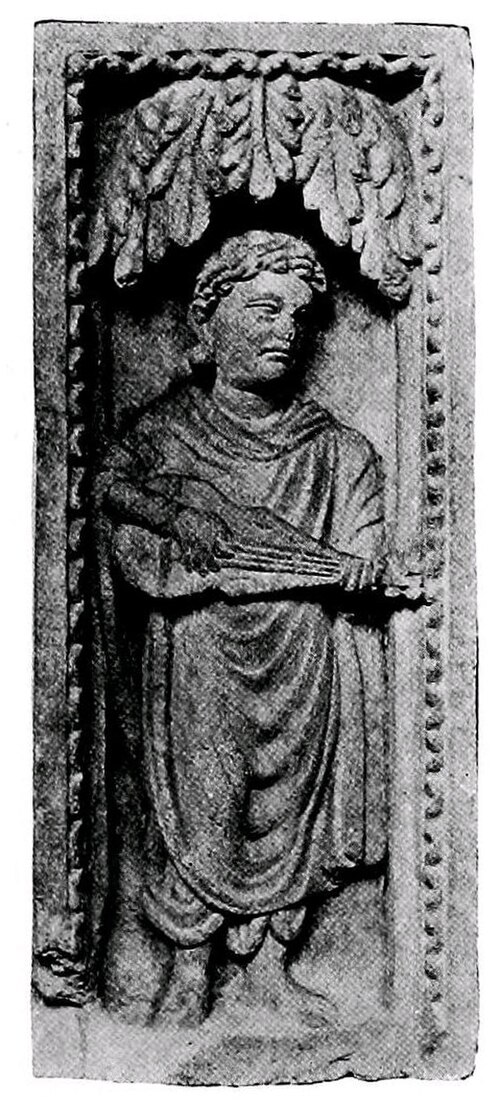
Kushan Empire, 1st to 3rd century. Lute or vina, from the Yusufzai district near Peshawar. Greco Buddhist (Gandhara School). Resembles rubab, sarod and tungna.

Mongolian lute, circa 1297, Tomb of Wang Qing, China