Spermaceti
Videos
Photos
Spermaceti is a waxy substance found in the head cavities of the sperm whale. Spermaceti is created in the spermaceti organ inside the whale's head. This organ may contain as much as 1,900 litres (500 US gal) of spermaceti. It has been extracted by whalers since the 17th century for human use in cosmetics, textiles, and candles.

Left to right: A sample of solid raw spermaceti, a spermaceti wax candle and a bottle of sperm oil.

1864 illustration captioned: "Removing the spermaceti from the head of the cachelot, or sperm whale"

A whaler bailing spermaceti from the severed head of a sperm whale (1874 illustration).

A jar of raw spermaceti
Wax
Videos
Photos
Waxes are a diverse class of organic compounds that are lipophilic, malleable solids near ambient temperatures. They include higher alkanes and lipids, typically with melting points above about 40 °C (104 °F), melting to give low viscosity liquids. Waxes are insoluble in water but soluble in nonpolar organic solvents such as hexane, benzene and chloroform. Natural waxes of different types are produced by plants and animals and occur in petroleum.

Commercial honeycomb foundation, made by pressing beeswax between patterned metal rollers.

Ceroline brand wax for floors and furniture, first half of 20th century. From the Museo del Objeto del Objeto collection

Wax candle.
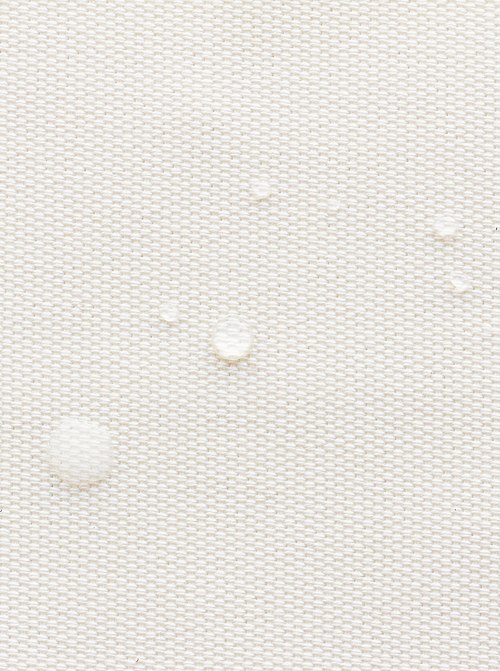
A wax coating makes this Manila hemp waterproof