Ōta Dōkan
Videos
Ōta Dōkan, also known as Ōta Sukenaga, was a Japanese samurai lord, poet and Buddhist monk. He took the tonsure as a Buddhist priest in 1478, and he also adopted the Buddhist name, Dōkan, by which he
Portrait of Ōta Dōkan


A portion of Edo Castle, built by the Tokugawa shogunate and successor to Dōkan’s castle.

Tomb site of Ōta Dōkan in Kamakura, Japan
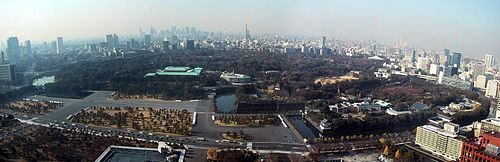
Contemporary panoramic view of the Imperial Palace which today occupies the location which Ōta Dōkan selected and fortified in 1457. The Tokyo sky and skyline are much changed, but part of Dōkan's moat is preserved as a notable element of the site's past and present.
Edo Castle
Videos
Edo Castle is a flatland castle that was built in 1457 by Ōta Dōkan in Edo, Toshima District, Musashi Province. In modern times it is part of the Tokyo Imperial Palace in Chiyoda, Tokyo, and is theref
Ōta Dōkan
…Buddhist priest in 1478, and he also adopted the Buddhist name, Dōkan, by which he is known today. Dōkan is best known as the architect and builder of Edo Castle (now the Imperial Palace) in what is today modern Tokyo; and he is considered the founder of the castle town which grew up around that Ōnin era fortress…

Aerial view of the inner grounds of Edo Castle, today the location of Tokyo Imperial Palace

Edo P detail

Folding screen depicting scenes of daimyōs attending at Edo Castle in 1847. Hasuike-Tatsumi-Sanjū-yagura is at the center, Kikyō-mon (the inner Sakurada-mon) on the right side. Signs alongside the moat are written with the words "geba" (dismount). The attending daimyōs were required to reduce their number of attendants before entering the inner castle compound. Signs with the family names of each entourage identify them (counting from the right side the first panel) from the

The appearance of the Honmaru and Ninomaru during the Edo period