Šamaš-šuma-ukin
Videos
Šamaš-šuma-ukin, was king of Babylon as a vassal of the Neo-Assyrian Empire from 668 BC to his death in 648. Born into the Assyrian royal family, Šamaš-šuma-ukin was the son of the Neo-Assyrian king E

Šamaš-šuma-ukin, as king of Babylon, depicted on a tablet recording his confirmation of a grant

Stone monument of Šamaš-šuma-ukin as a basket-bearer. The face of the sculpture has been mutilated.

Confirmation by Šamaš-šuma-ukin of a grant originally made by Ashur-nadin-shumi
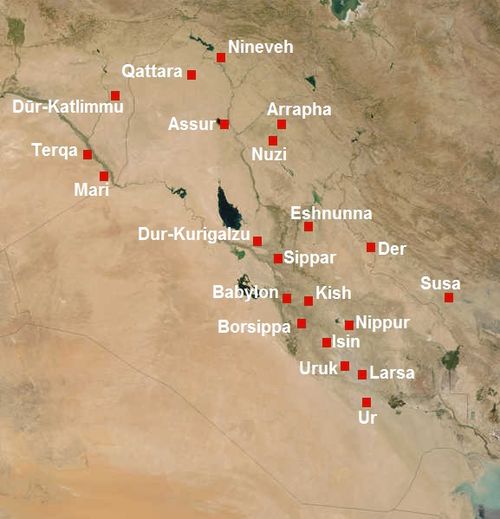
Locations of some major Mesopotamian cities.
Ashurbanipal
Videos
Ashurbanipal was the king of the Neo-Assyrian Empire from 669 BC to his death in 631. He is generally remembered as the last great king of Assyria. Ashurbanipal inherited the throne as his father Esar
Šamaš-šuma-ukin
…Born into the Assyrian royal family, Šamaš-šuma-ukin was the son of the Neo-Assyrian king Esarhaddon and the elder brother of Esarhaddon's successor Ashurbanipal. Despite being the elder son, Šamaš-šuma-ukin was for unknown reasons bypassed as heir to Assyria. His designation as heir to Babylonia was likely…

Ashurbanipal, closeup from the Lion Hunt of Ashurbanipal

The victory stele of Esarhaddon, Ashurbanipal's father. The front side depicts Esarhaddon and the sides depict the two crown princes Ashurbanipal (on the side shown here) and Shamash-shum-ukin (on the opposite side), Pergamon Museum.
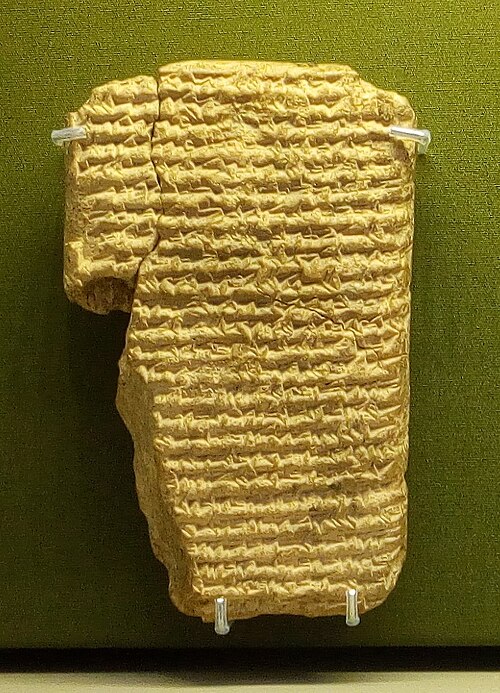
A copy of the Zakutu Treaty, drawn up by Ashurbanipal's grandmother Naqi'a in 669 BC, imploring the populace of Assyria to swear loyalty to Ashurbanipal.

Relief depicting Ashurbanipal's army attacking an Kushite fortified city, possibly Memphis, during the Assyrian conquest of Egypt.