100% renewable energy
Videos
100% renewable energy is the goal of the use renewable resources for all energy. 100% renewable energy for electricity, heating, cooling and transport is motivated by climate change, pollution and other environmental issues, as well as economic and energy security concerns. Shifting the total global primary energy supply to renewable sources requires a transition of the energy system, since most of today's energy is derived from non-renewable fossil fuels.

The Shepherds Flat Wind Farm is an 845 megawatt (MW) wind farm in the U.S. state of Oregon.

The 550 MW Desert Sunlight Solar Farm in California.
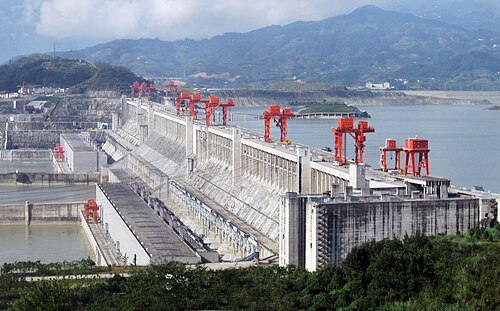
The Three Gorges Dam on the Yangtze River, China.

The Nesjavellir Geothermal Power Plant in Þingvellir, Iceland
Renewable energy commercialization involves the deployment of three generations of renewable energy technologies dating back more than 100 years. First-generation technologies, which are already mature and economically competitive, include biomass, hydroelectricity, geothermal power and heat. Second-generation technologies are market-ready and are being deployed at the present time; they include solar heating, photovoltaics, wind power, solar thermal power stations, and modern forms of bioenergy. Third-generation technologies require continued R&D efforts in order to make large contributions on a global scale and include advanced biomass gasification, hot-dry-rock geothermal power, and ocean energy. In 2019, nearly 75% of new installed electricity generation capacity used renewable energy and the International Energy Agency (IEA) has predicted that by 2025, renewable capacity will meet 35% of global power generation.


One of many power plants at The Geysers, a geothermal power field in northern California, with a total output of over 750 MW

Solar energy technologies, such as solar water heaters, located on or near the buildings which they supply with energy, are a prime example of a soft energy technology.