A-35 anti-ballistic missile system
The A-35 anti-ballistic missile system was a Soviet military anti-ballistic missile (ABM) system deployed around Moscow to intercept enemy ballistic missiles targeting the city or its surrounding areas. The A-35 was the only Soviet ABM system allowed under the 1972 Anti-Ballistic Missile Treaty. In development as of the 1960s and in operation from June 1972 until the 1990s, it featured the nuclear-armed A350 exoatmospheric interceptor missile. The A-35 was supported by two Dunay radars and the Soviet early warning system. It was followed by the A-135 in the early 1990s.
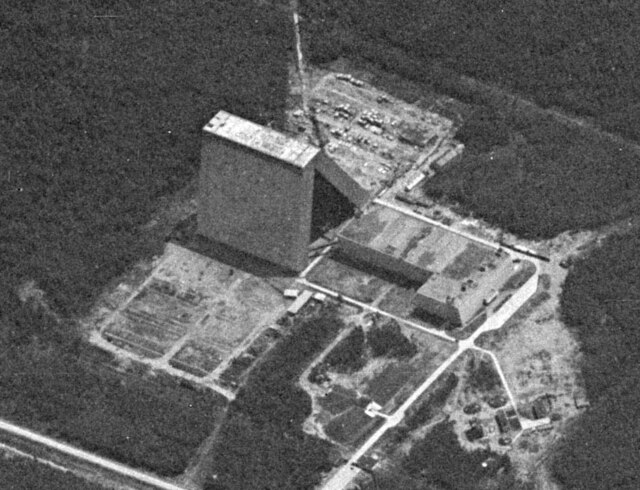
Dunay-3 (NATO: Dog House) radar receiver photographed by the US KH-7 spy satellite in 1967
An anti-ballistic missile (ABM) is a surface-to-air missile designed to counter ballistic missiles. Ballistic missiles are used to deliver nuclear, chemical, biological, or conventional warheads in a ballistic flight trajectory. The term "anti-ballistic missile" is a generic term for a system designed to intercept and destroy any type of ballistic threat; however, it is commonly used for systems specifically designed to counter intercontinental ballistic missiles (ICBMs).
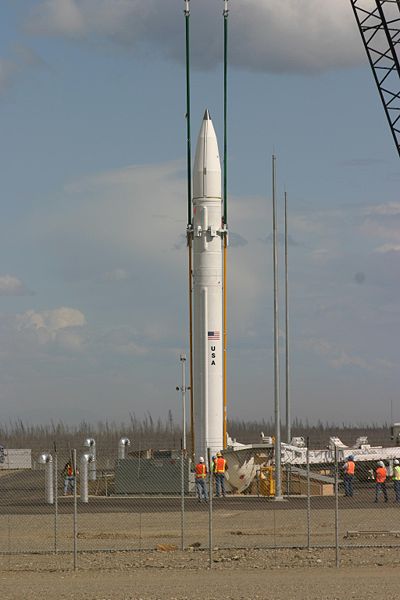
A Ground-Based Interceptor of the United States' Ground-Based Midcourse Defense system, loaded into a silo at Fort Greely, Alaska, in July 2004
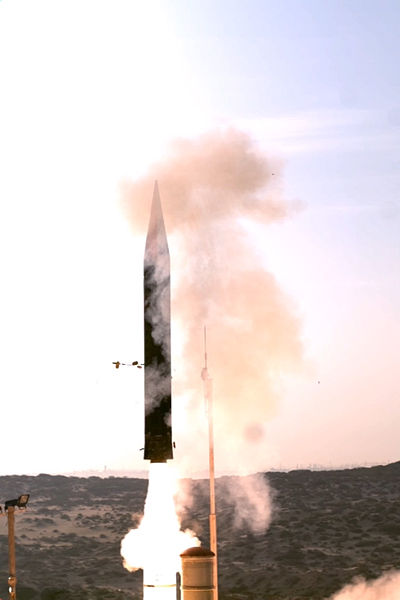
Israel's Arrow 3
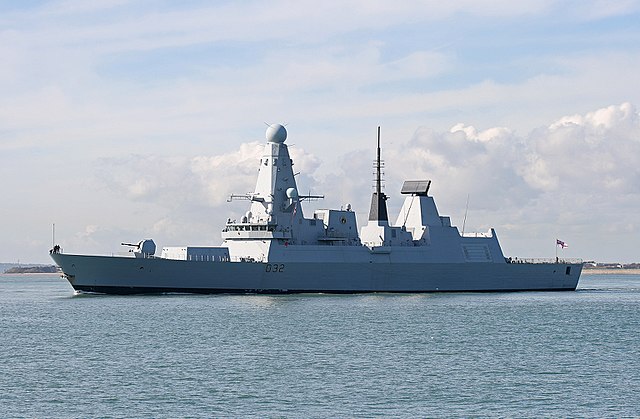
Royal Navy Type 45 destroyers (pictured), and French Navy and Italian Navy Horizon and FREMM frigates operate Aster 30 missiles
AD-1 missile test on 2 November 2022.