Acids in wine
Videos
The acids in wine are an important component in both winemaking and the finished product of wine. They are present in both grapes and wine, having direct influences on the color, balance and taste of

While normally clear, tartaric crystals (pictured) can be dyed the color of the wine in which it has been saturated.
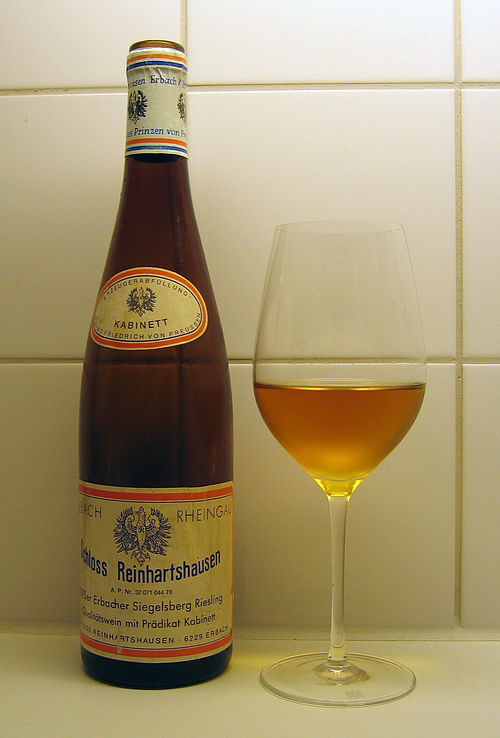
Riesling from cool climate wine regions, such as the Rheingau in Germany will have more malic acid and green apple notes than wines from warmer regions.

Chardonnay is often put through malolactic fermentation when it is being oaked, such as via oak chips as pictured. The softer, milky lactic acid helps contribute to a creamier mouthfeel in the wine.

The smell of crushed Pelargonium geranium leaves is a sign that a wine has a wine fault derived from sorbic acid.
Yeast in winemaking
Videos
The role of yeast in winemaking is the most important element that distinguishes wine from fruit juice. In the absence of oxygen, yeast converts the sugars of the fruit into alcohol and carbon dioxide

The process of fermentation at work on Pinot noir. As yeast consume the sugar in the must it releases alcohol and carbon dioxide (seen here as the foaming bubbles) as byproducts.

French scientist Louis Pasteur discovered the connection between microscopic yeast and the process of fermentation.

If a Chardonnay has too much "buttery" diacetyl notes, winemakers may add fresh yeast to the wine to consume the diacetyl and reduce it to the more neutral-smelling fusel oil 2,3-butanediol.

The distinctive "aldehydic" notes of Sherry wines are caused by special yeast native to the Jerez wine region.