Adoption in ancient Rome
Videos
Adoption in ancient Rome was primarily a legal procedure for transferring paternal power to ensure succession in the male line within Roman patriarchal society. The Latin word adoptio refers broadly t
Great Antonine Altar depicting imperial succession through adoption: Hadrian (right) adopted Antoninus Pius (center left), who in turn adopted the 17-year-old Marcus Aurelius (left) and the 8-year-old Lucius Verus; the head over Hadrian's left shoulder may represent the guardian genius of Aelius Verus, Lucius's late father

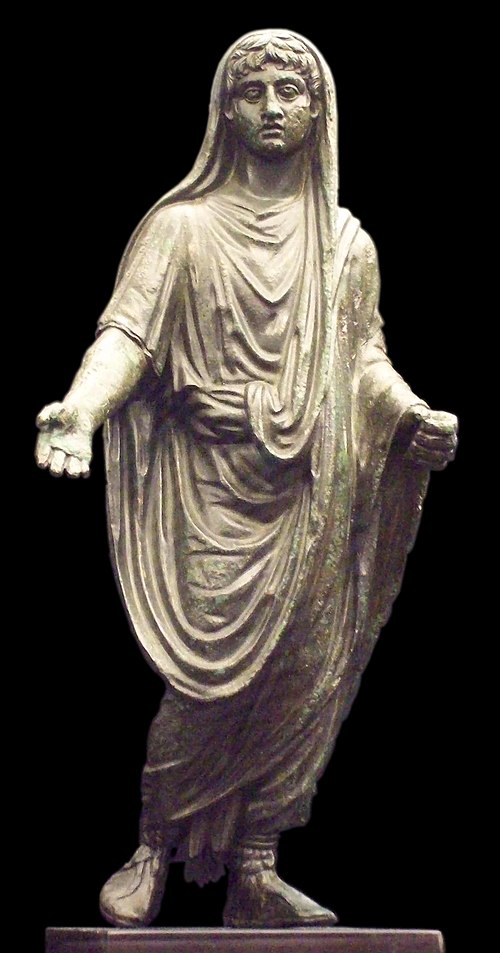
A family genius depicted as a paterfamilias (1st century)

Cameo (1st century) depicting Augustus, Livia, and Nero as a child

Denarius issued under Hadrian; the reverse shows him joining hands with Trajan with the legend ADOPTIO
Trajan
Videos
Trajan was a Roman emperor from AD 98 to 117, remembered as the second of the Five Good Emperors of the Nerva–Antonine dynasty. He was a philanthropic ruler and a successful soldier-emperor who presid
Adoption in ancient Rome
…succeeded Claudius as the emperor, Nero. The Nerva-Antonine dynasty was also united by a series of adoptions. Nerva adopted the popular military leader Trajan. Trajan in turn took Publius Aelius Hadrianus as his protégé and, although the legitimacy of the process is debatable, Hadrian claimed to have been…

Marble bust, Glyptothek, Munich

A gold aureus of Trajan depicting him alongside his namesake father, c. AD 115

Trajan wearing the civic crown and military garb such as a muscle cuirass, 2nd century AD, Antalya Archaeological Museum
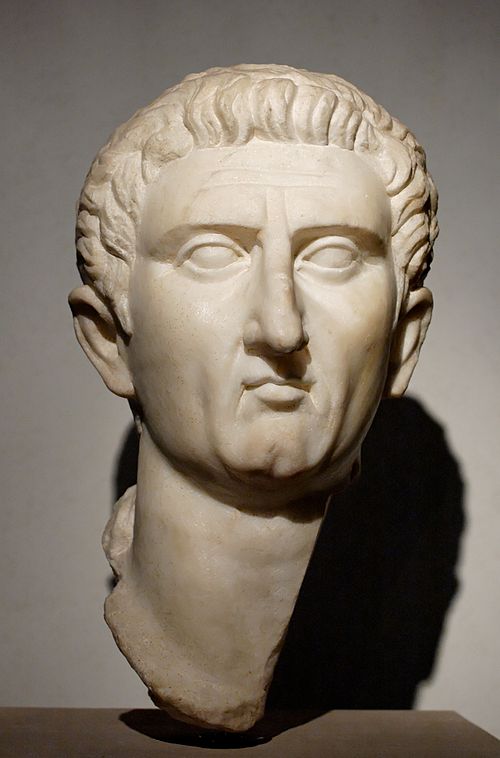
Bust of Nerva, who became emperor following the assassination of Domitian