Ahab
Videos
Ahab was a king of Israel, the son and successor of King Omri, and the husband of Jezebel of Sidon, according to the Hebrew Bible. He is depicted in the Bible as a Baal worshipper and is criticized fo
Shalmaneser III's (859–824 BC) Kurkh Monolith names King Ahab.


Death of Ahab, by Gustave Doré

Death of Ahab, from a 13th-century German manuscript
Baal
Videos
Baal, or Ba'al, was a title and honorific meaning "owner" or "lord" in the Northwest Semitic languages spoken in the Levant during antiquity. From its use among people, it came to be applied to gods.
Ahab
…of Israel, the son and successor of King Omri, and the husband of Jezebel of Sidon, according to the Hebrew Bible. He is depicted in the Bible as a Baal worshipper and is criticized for causing moral decline in Israel, though some modern scholars question this. The existence of Ahab is historically…
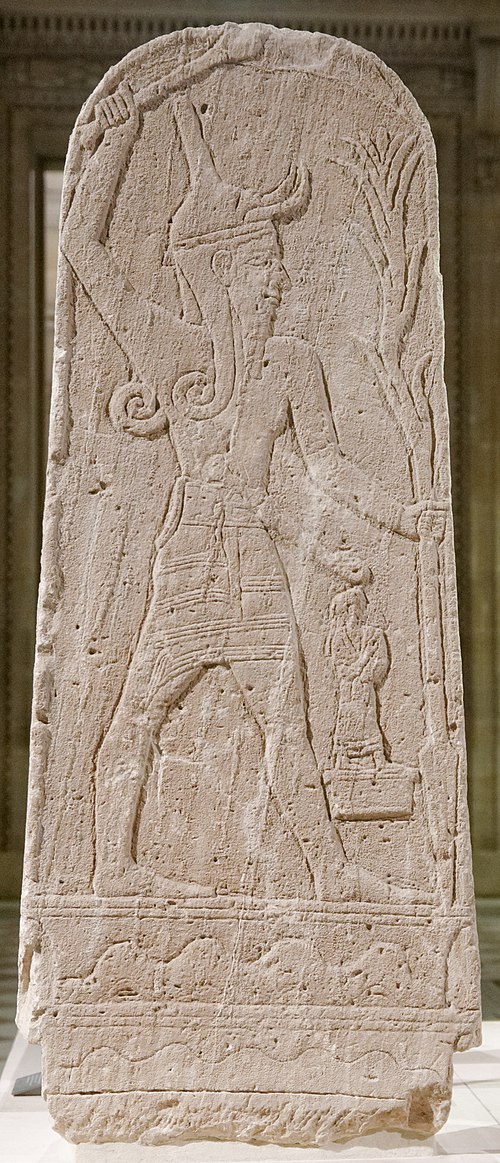
Baal with Thunderbolt stele from Ugarit (Musée du Louvre, Paris)

Bronze figurine of Baal, 14th–12th century BC, found at Ras Shamra (ancient Ugarit) near the Phoenician coast (Musée du Louvre, Paris)

Solid cast bronze of a votive figurine representing Baal discovered at Tel Megiddo, dating to the mid-2nd millennium BC (Institute for the Study of Ancient Cultures, Chicago, Illinois)