Alain LeRoy Locke
Videos
Alain LeRoy Locke was an American writer, philosopher, and educator. Distinguished in 1907 as the first African-American Rhodes Scholar, Locke became known as the philosophical architect—the acknowled
Alain Le Roy Locke cr


Alain LeRoy Locke, c.1907

Painting by Betsy Graves Reyneau
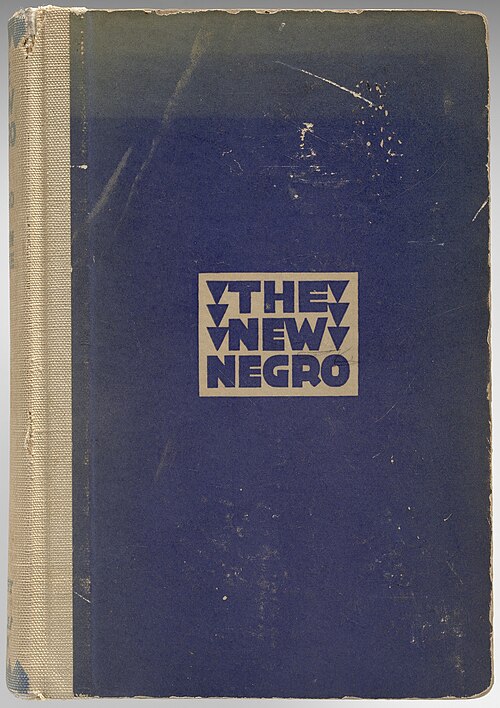
First edition of The New Negro (1925)
Harlem Renaissance
Videos
The Harlem Renaissance was an intellectual and cultural movement of African-American music, dance, art, fashion, literature, theater, politics, and scholarship centered in Harlem, New York City, spann
Alain LeRoy Locke
…Distinguished in 1907 as the first African-American Rhodes Scholar, Locke became known as the philosophical architect—the acknowledged "Dean"—of the Harlem Renaissance. He is frequently included in listings of influential African Americans. On March 19, 1968, Martin Luther King Jr. proclaimed: "We're going to let our…

Arturo Alfonso Schomburg was a historian, writer, curator, and archivist regarded as an important intellectual figure in the Harlem Renaissance. In 1926, the New York Public Library purchased his collection of 4,600 books, pamphlets, art, and manuscripts on Black culture and held them at the 135th Street Branch Library, now the Schomburg Center for Research in Black Culture.

The multi-talented Adelaide Hall and Bill "Bojangles" Robinson in the musical comedy Brown Buddies on Broadway, 1930

Poster for Run, Little Chillun

Trumpeter Dizzy Gillespie is emblematic of the mixture of high-class society, popular art, and virtuosity of jazz.