Alaungpaya
Videos
Alaungpaya was the founder and first king of the Konbaung dynasty of Burma. By the time of his death from illness during his campaign in Siam, this former chief of a small village in Upper Burma had u
Statue of Alaungpaya in front of the National Museum, Yangon

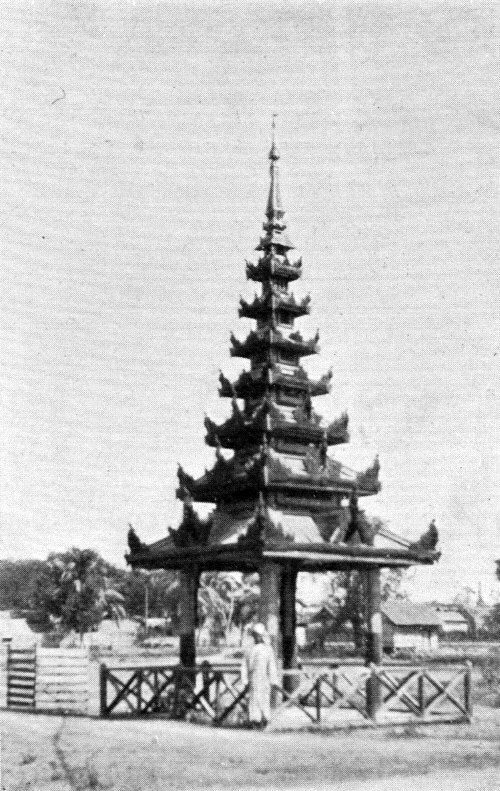
Alaungpaya's tomb in Shwebo.

Shwebo Palace

Yangon today
Mahadhammaraza Dipadi
Videos
Maha Dhammaraza Dipati, also called the Thursday King, Hanthah-wədee-pah-min or Lokasaraphū-dāyakā, was the last king of restored Toungoo dynasty of Burma from 1733 to 1752. The young king inherited a
Alaungpaya
…Statue of Alaungpaya in front of the National Museum, Yangon King of Burma Reign 29 February 1752 – 11 May 1760 Coronation 17 April 1752 Predecessor Mahadhammaraza Dipadi Successor Naungdawgyi Born 24 August [O.S. 13 August] 1714 Friday, 1st waning of Tawthalin 1076 ME Moksobo Died 11 May 1760 (aged 45) Sunday, 12th…

Illustration of the last Neow-Yam king of Ava