American Indian Wars
Videos
The American Indian Wars, also known as the American Frontier Wars, and the Indian Wars, were initially fought by European colonial empires, the United States, and briefly the Confederate States of Am

1899 chromolithograph depicting the Great Sioux War of 1876

Jamestown Indian massacre of 1622

Siege of Fort Detroit during Pontiac's War in 1763

The abduction of Jemima Boone by Shawnee in 1776
Great Sioux War of 1876
Videos
The Great Sioux War of 1876, also known as the Black Hills War, was a series of battles and negotiations that occurred in 1876 and 1877 in an alliance of Lakota Sioux and Northern Cheyenne against the
American Indian Wars
…of the Bozeman Trail, which led to Red Cloud's War, and later discovery of gold in the Black Hills resulting in the gold rush of 1875–1878 and the Great Sioux War of 1876–77. Miners, ranchers, and settlers expanded into the plain, and this led to increasing conflicts with the Indian populations of the West. Many tribes…

The Custer Fight Charles Marion Russell, 1903

Sitting Bull, a Hunkpapa, was one of the principal Sioux leaders.
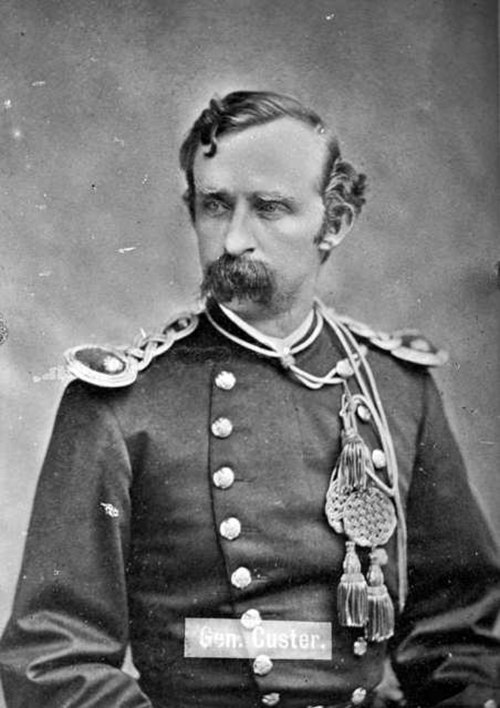
Lt. Col. George Armstrong Custer was killed at the Battle of the Little Bighorn along with 268 soldiers.

Custer and the last of his men were killed and buried here. The Indian village was on the other side of the line of trees marking the Little Bighorn River. To visit the old battlefield today it is necessary to enter the Crow Indian Reservation – it was exactly the same in 1876.