Amniote
Videos
Amniotes are tetrapod vertebrate animals belonging to the clade Amniota, a large group that comprises the vast majority of living terrestrial and semiaquatic vertebrates. Amniotes evolved from amphibi

Amniota

Archaeothyris, one of the most basal synapsids, first appears in the fossil records about 306 million years ago.
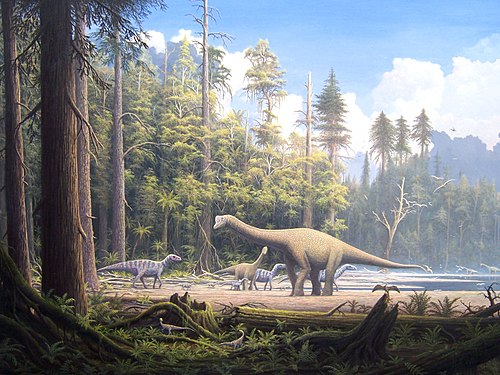
By the Mesozoic, 150 million years ago, sauropsids included the largest animals anywhere. Shown are some late Jurassic dinosaurs, including the early bird Archaeopteryx perched on a tree stump.
Reptiliomorpha
Videos
Reptiliomorpha is a clade containing the amniotes and those tetrapods that share a more recent common ancestor with amniotes than with living amphibians. It was defined by Michel Laurin and Vallin and
Amniote
…exchange to power terrestrial locomotion, which is facilitated by their astragalus. Basal amniotes resembled small lizards and evolved from semiaquatic reptiliomorphs, with fossil evidence suggesting they appeared no later than the late Devonian or earliest Carboniferous period. After the Carboniferous rainforest…

Limnoscelis, a carnivorous diadectomorph

Gephyrostegus, a small terrestrial tetrapod

Discosauriscus, a neotenic seymouriamorph

Archeria, an aquatic embolomere