Animal
Videos
Animals are multicellular, eukaryotic organisms belonging to the biological kingdom Animalia. Animals consume organic material, breathe oxygen, have muscle cells, can reproduce sexually, and grow from

Sexual reproduction is nearly universal in animals, such as these dragonflies.
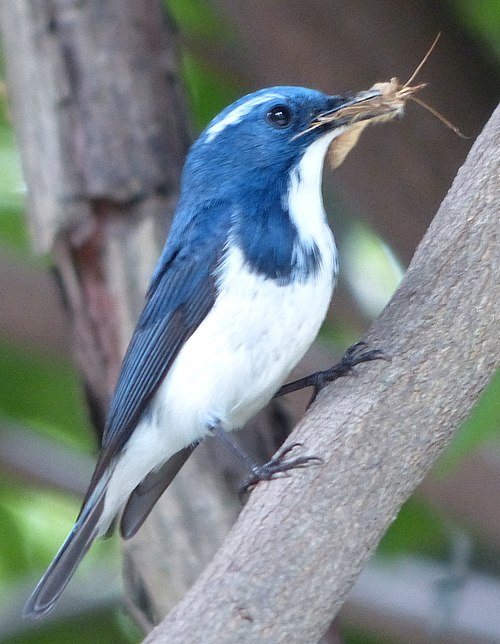
Predators, such as this ultramarine flycatcher (Ficedula superciliaris), feed on other animals.

Hydrothermal vent mussels and shrimps

The blue whale is the largest animal that has ever lived; it can be up to 33.6 metres (110 ft) long.
Vertebrate
Videos
Vertebrates, also called craniates, are animals with a vertebral column and a cranium. The vertebral column surrounds and protects the spinal cord, while the cranium protects the brain.
Animal
…Over 1.5 million living animal species have been described, of which around 1.05 million are insects, over 85,000 are molluscs, and around 65,000 are vertebrates. It has been estimated there are as many as 7.77 million animal species on Earth. Animal body lengths range from 8.5 μm (0.00033 in) to 33.6 m (110…

Fossilized skeleton (cast) of Diplodocus carnegii, showing an extreme example of the vertebral column that gives the vertebrates their name. The species is a tetrapod, its four legs adapting the fish-like body plan for walking on land. The specimen is 26 m (85 ft) long.

Branchial arches bearing gills in a pike

The Cambrian Haikouichthys, 518 mya

Acanthostega, a Devonian labyrinthodont, c. 365 mya