Animism
Videos
Animism is the worldview or perception that various types of natural phenomena, including non-human organisms and often even landforms and inanimate objects, possess distinct spiritual essences, souls
Edward Tylor developed animism as an anthropological theory.


Five Ojibwe chiefs in the 19th century. It was anthropological studies of Ojibwe religion that resulted in the development of the "new animism".

Animist altar, Bozo village, Mopti, Bandiagara, Mali, in 1972
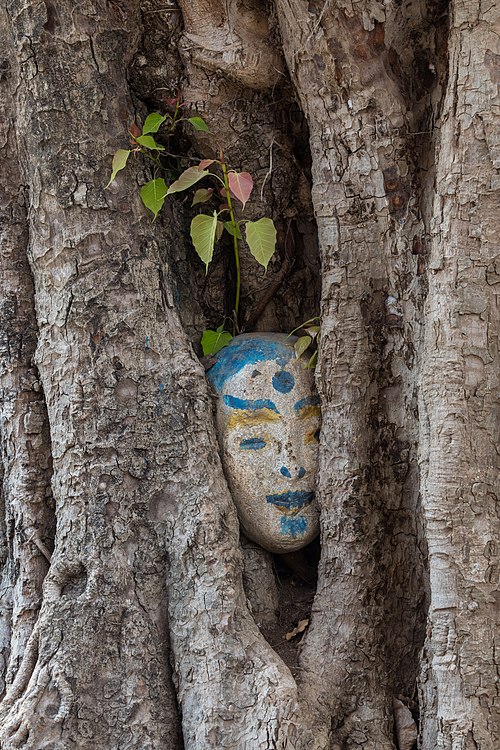
Ingrown sculpture of human head in a tree trunk in Laos
Shinto
Videos
Shinto, also called Shintoism, is a religion from Japan. Classified as an East Asian religion by scholars of religion, it is often regarded by its practitioners as Japan's indigenous religion and as a
Animism
…The Shang dynasty's state religion was practiced from 1600 BCE to 1046 BCE and was built on the idea of spiritualizing natural phenomena. Shinto is the traditional Japanese folk religion and has many animist aspects. The kami (神), a class of supernatural beings, are central to Shinto. All things…

The torii gateway to the Itsukushima Shrine in Hiroshima Prefecture, Japan, one of the most famous examples in the country. Torii mark the entrance to Shinto shrines and are recognizable symbols of the religion.

A torii gateway to the Yobito Shrine (Yobito-jinja) in Abashiri City, Hokkaido
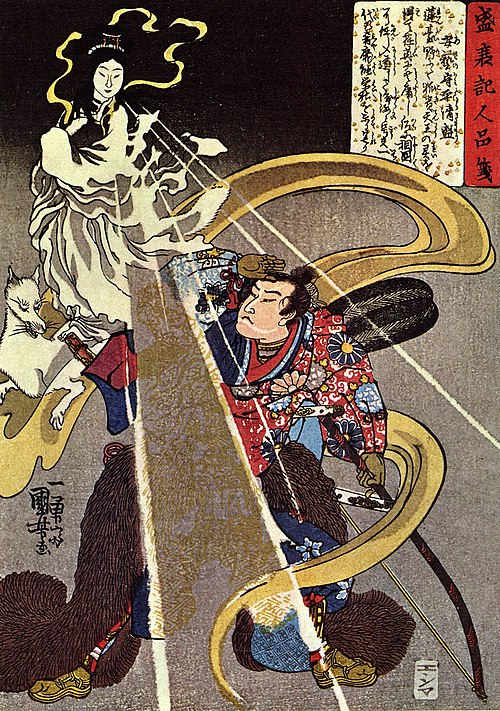
An artistic depiction by Utagawa Kuniyoshi of the kami Inari appearing to a man

A 3000 year old sacred tree (shintai) of Takeo Shrine