Anoplotheriidae
Videos
Anoplotheriidae is an extinct family of artiodactyls exclusive to the Palaeogene that was endemic to western Europe and lived from the Middle Eocene to the Early Oligocene. The Anoplotheriidae is divi

Anoplotherium commune

Palaeogeography of Europe and Asia during the Middle Eocene with possible artiodactyl and perissodactyl dispersal routes.

Restoration of Palaeotherium, which coexisted with anoplotheriids in the Middle Eocene to Early Oligocene

Diplobune secundaria mandible dentition
Artiodactyla
Videos
Artiodactyla is an order of placental mammals. Typically, they are ungulates which bear weight equally on two of their five toes. The other three toes are either present, absent, vestigial, or pointin
Anoplotheriidae
…Anoplotheriidae is an extinct family of artiodactyls exclusive to the Palaeogene that was endemic to western Europe and lived from the Middle Eocene to the Early Oligocene. The Anoplotheriidae is divided…

The Cetartiodactyla

Entelodonts were stocky animals with a large head, and were characterized by bony bumps on the lower jaw.

Sivatherium was a relative of giraffes with deer-like forehead ossicones.
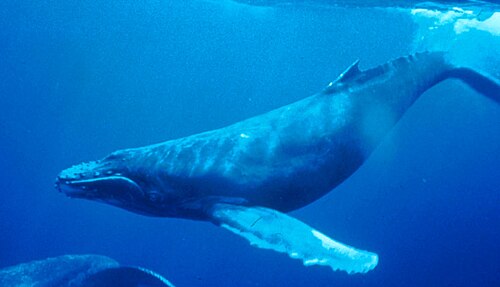
Molecular and morphological studies confirmed that cetaceans are the closest living relatives of hippopotamuses.