Athalia (Handel)
Videos
Athalia is an English-language oratorio composed by George Frideric Handel to a libretto by Samuel Humphreys based on the play Athalie by Jean Racine. The work was commissioned in 1733 for the Publick
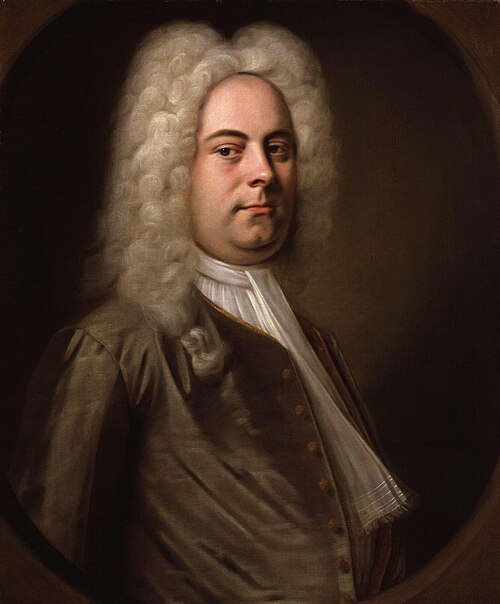
George Frideric Handel

Sheldonian Theatre, Oxford, where Athalia was first performed

Athaliah Expelled from the Temple by Antoine Coypel

The Death of Athaliah by Gustave Doré
Athalie
Videos
Athalie is a 1691 play, the final tragedy of Jean Racine, and has been described as the masterpiece of "one of the greatest literary artists known" and the "ripest work" of Racine's genius. Charles Au
Athalia (Handel)
…Athalia (HWV 52) is an English-language oratorio composed by George Frideric Handel to a libretto by Samuel Humphreys based on the play Athalie by Jean Racine. The work was commissioned in 1733 for the Publick Act in Oxford – a commencement ceremony of the University of Oxford, which had offered…

Actress playing the role of Athalie, 1850s.

"Racine Reading Athalie Before Louis XIV and Madame de Maintenon", painting by Julie Philipault.