Attalus I
Videos
Attalus I, surnamed Soter, was the ruler of the Greek polis of Pergamon and the larger Pergamene Kingdom from 241 BC to 197 BC. He was the adopted son of King Eumenes I, whom he succeeded, and the fir
Marble head found at Pergamon dated to the 3rd century BC, currently at the Pergamon Museum in Berlin; hypothesized to be depicting Attalus I.

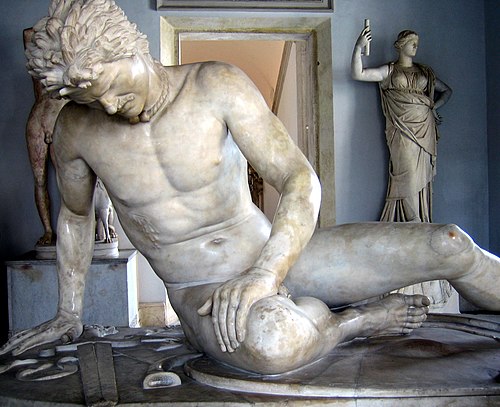
The Dying Gaul, a statue representing the defeat of the Galatians by Attalus, is a marble Roman copy of the now-lost ancient bronze original.

Tetradrachm struck during the reign of Attalus I, depicting Attalus' great uncle, Philetaerus, whose name ΦΙΛΕΤΑΙΡΟΥ is written on the reverse beside Athena.

1st century BC Roman marble statue of Cybele
Eumenes I
Videos
Eumenes I was dynast of the city of Pergamon in Asia Minor from 263 BC until his death in 241 BC. He was the son of Eumenes, the brother of Philetaerus, the founder of the Attalid dynasty, and Satyra,
Attalus I
…ruler of the Greek polis of Pergamon (modern-day Bergama, Turkey) and the larger Pergamene Kingdom from 241 BC to 197 BC. He was the adopted son of King Eumenes I, whom he succeeded, and the first of the Attalid dynasty to assume the title of king, sometime around 240 to 235 BC. He was the son of Attalus and his…

Coin of Eumenes. Cabinet des Médailles, Paris.

Coin struck during the reign of Eumenes I, depicting the head of Eumenes' uncle Philetaerus on the obverse and seated Athena, patron deity of the city of Pergamon, on the reverse. The writing reads ΦΙΛΕΤΑΙΡΟΥ (PHILETAEROU), "(coin) of Philetaerus".