Augustus (title)
Videos
Augustus was the main title of the Roman emperors during antiquity. It was given as both a name and a title to Gaius Julius Caesar Octavianus in 27 BC, marking his accession as Rome's first emperor. O

Coin of the emperor Diocletian, marked diocletianus augustus

A bronze medallion of emperor Probus (r. 276–282), marked imp·c·probus·invic·p·f· aug

Coin of emperor Alexander II with the title augustos rom, 913.

Emperor Manuel II Palaiologos in a Byzantine miniature from c. 1404. The Greek text call hims "basileus and autokrator of the Romans, Palaiologos, always Augustus" (ΒΑϹΙΛΕΥϹ ΚΑΙ ΑΥΤΟΚΡΑΤΩΡ ΡΩΜΑΙΩΝ Ο ΠΑΛΑΙΟΛΟΓΟϹ ΚΑΙ ΑΕΙ ΑΥΓΟΥϹΤΟϹ), after the late antique formula "semper Augustus".
Caesar (title)
Videos
Caesar is a title of imperial character. It derives from the cognomen of Julius Caesar. The change from being a surname to a title used by the Roman emperors can be traced to AD 68, following the fall
Augustus (title)
…approval of Rome and its gods, and possibly his own unique, elevated, "godlike" nature and talents. His full and official title thus became Imperator Caesar Divi Filius Augustus. Augustus' religious reforms extended or affirmed Augusti as a near ubiquitous title or honour for various minor local deities…
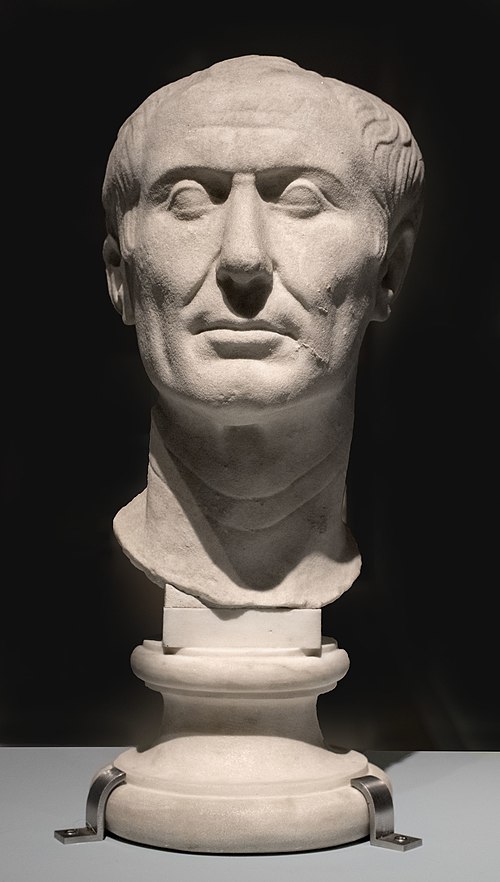
Sculpture depicting Julius Caesar

Seal of the Caesar John Doukas

The Roman emperor Constantine the Great, mosaic in Hagia Sophia, Constantinople

Mehmed II and Ecumenical Patriarch of Constantinople Gennadios.