Avesta
Videos
The Avesta is the corpus of religious texts of Zoroastrianism. All its texts are composed in the Avestan language and written in the Avestan alphabet. It represents the largest literature of the Old I

Illuminated Iranian Vendidad Sade manuscript (MS 4060/RSPA 230) from Yazd, dated to 15 Ēsfand 1016 AY (1647)

First page of an Iranian Sade manuscript of the Vendidad, the only volume of the Sasanian Avesta (called Juddēwdād therein) which has remained intact until today
Zoroastrianism
Videos
Zoroastrianism, also called Mazdayasna and Behdin, is an Iranian religion centred on the Avesta and the teachings of Zarathushtra Spitama, who is more commonly referred to by the Greek translation, Zo
Avesta
…The Avesta is the corpus of religious texts of Zoroastrianism. All its texts are composed in the Avestan language and written in the Avestan alphabet. It represents the largest literature of the Old Iranian period…

Faravahar, one of the most prominent symbols of Zoroastrianism, on the Fire Temple of Yazd, Iran

Zoroaster, Illustrations from History of the Parsis, 1884

A Parsi Wedding, 1905
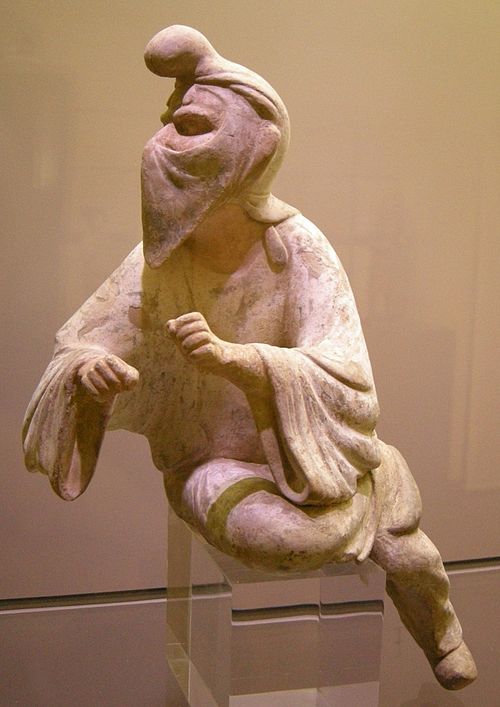
An 8th century Tang dynasty Chinese clay figurine of a Sogdian man wearing a distinctive cap and face veil, possibly a camel rider or even a Zoroastrian priest engaging in a ritual at a fire temple, since face veils were used to avoid contaminating the holy fire with breath or saliva; Museum of Oriental Art (Turin), Italy.