Axis powers
Videos
The Axis powers, originally called the Rome–Berlin Axis and later, the Rome–Berlin–Tokyo Axis, was the military coalition which initiated World War II and fought against the Allies. Its principal memb
Flags of Germany, Japan, and Italy draping the facade of the Embassy of Japan on the Tiergartenstraße in Berlin (September 1940)


Germany's Führer Adolf Hitler (right) beside Italy's Duce Benito Mussolini (left)

Japan's Prime Minister Hideki Tojo (center) with fellow government representatives of the Greater East Asia Co-Prosperity Sphere. To the left of Tojo, from left to right: Ba Maw from Burma, Zhang Jinghui, Wang Jingwei from China. To the right of Tojo, from left to right, Wan Waithayakon from Thailand, José P. Laurel from the Philippines, and Subhas Chandra Bose from India.

The signing of the Tripartite Pact by Germany, Japan, and Italy on 27 September 1940 in Berlin. Seated from left to right are the Japanese ambassador to Germany Saburō Kurusu, Italian Minister of Foreign Affairs Galeazzo Ciano, and Adolf Hitler.
Nazi Germany
Videos
Nazi Germany, officially the German Reich and later the Greater German Reich, was the German state between 1933 and 1945, when Adolf Hitler and the Nazi Party controlled the country, transforming it i
Axis powers
…later, the Rome–Berlin–Tokyo Axis, was the military coalition which initiated World War II and fought against the Allies. Its principal members were Nazi Germany, the Kingdom of Italy and the Empire of Japan. The Axis were united in their similar far-right positions and general opposition to the Allies, but…

Adolf Hitler became Germany's head of state, with the title of Führer und Reichskanzler in 1934.
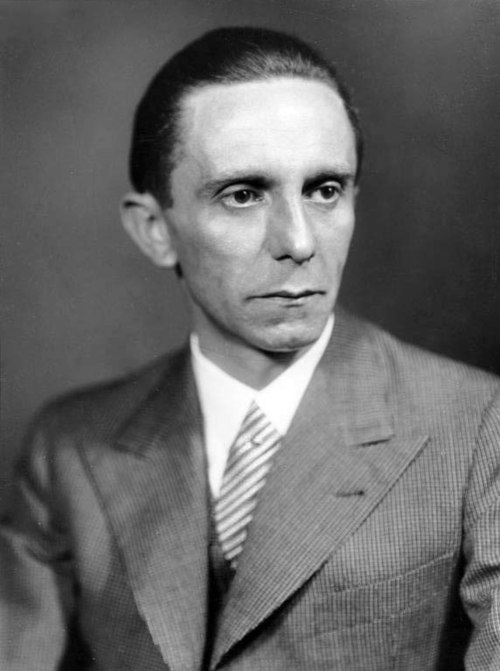
Joseph Goebbels, Reich Minister of Public Enlightenment and Propaganda

German soldiers march near the Arc de Triomphe in Paris, 14 June 1940
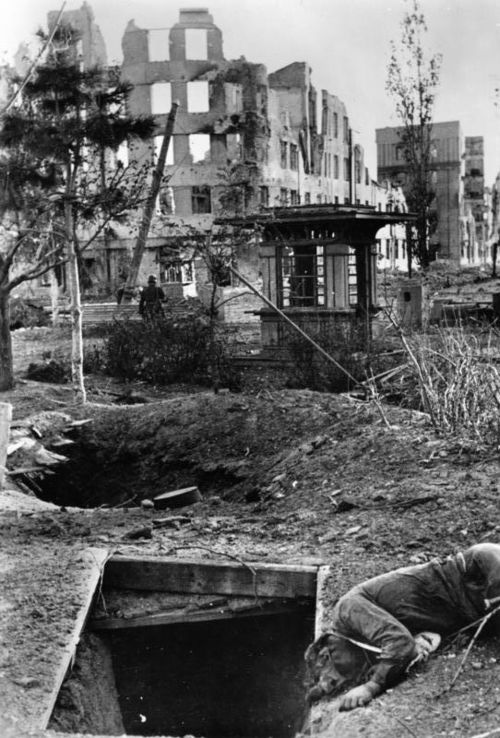
Death and destruction during the Battle of Stalingrad, October 1942