BBC Micro
Videos
The BBC Microcomputer System, or BBC Micro, is a family of microcomputers developed and manufactured by Acorn Computers in the early 1980s as part of the BBC's Computer Literacy Project. Launched in D

Model A/B (standard configuration)

Some of the BBC Micro team in 2008

Keyboard of a Model B, one of two very similar designs used on the model

Rear of the BBC Micro. Ports from left to right: UHF out, video out, RGB, RS-423, cassette tape, analogue in and Econet.
BBC
Videos
The British Broadcasting Corporation is a British public service broadcaster headquartered at Broadcasting House in London, England. Originally established in 1922 as the British Broadcasting Company,
BBC Micro
…BBC Microcomputer System, or BBC Micro, is a family of microcomputers developed and manufactured by Acorn Computers in the early 1980s as part of the BBC's Computer Literacy Project. Launched in December 1981, it was showcased across several educational BBC television programmes, such as The Computer…

The Radio Times masthead from 25 December 1931, including the BBC motto "Nation shall speak peace unto Nation"
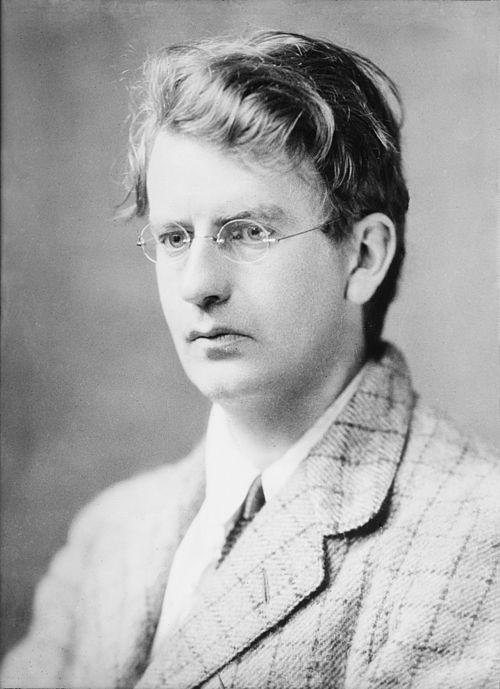
Television pioneer John Logie Baird (seen here in 1917) televised the BBC's first drama, The Man with the Flower in His Mouth, on 14 July 1930, and the first live outside broadcast, The Derby, on 2 June 1931.

King George V giving the 1934 Royal Christmas message on BBC Radio. The annual message typically reflects on the year's major events.
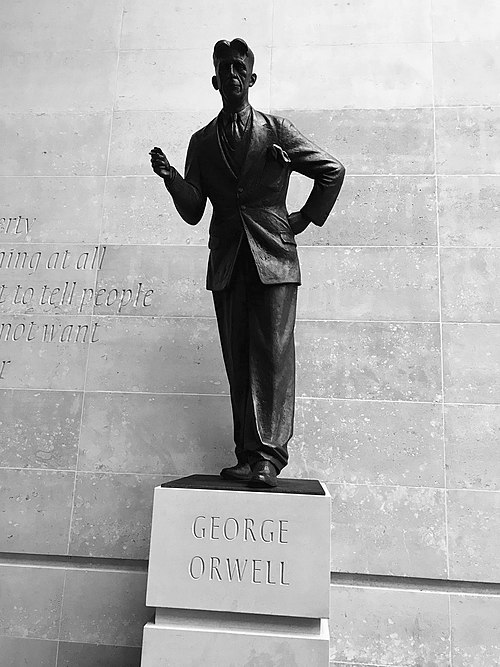
Statue of George Orwell outside Broadcasting House, headquarters of the BBC