Barry Goldwater
Videos
Barry Morris Goldwater was an American politician and major general in the Air Force Reserve who served as a United States senator from 1953 to 1965 and 1969 to 1987, and was the Republican Party's no
Goldwater in 1960
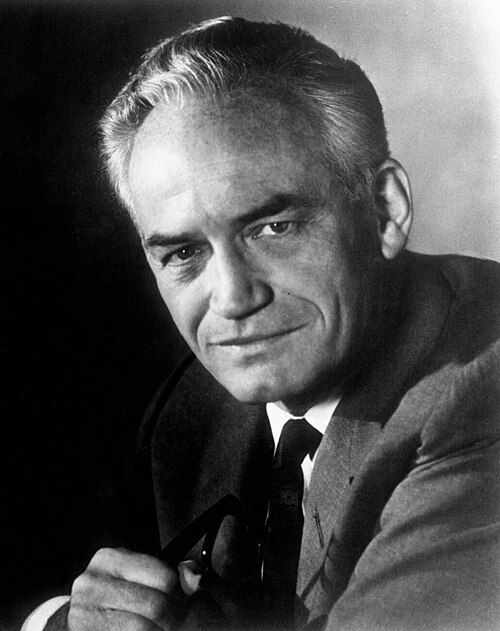

Goldwater as a major general in the United States Air Force, c. 1967

Goldwater's campaign portrait in the 1952 U.S. Senate campaign

Goldwater's informal press conference on August 7, 1974, following a meeting between Goldwater, U.S. Senate Minority Leader Hugh Scott, U.S. House Minority Leader John Jacob Rhodes, and President Richard Nixon to discuss the Watergate scandal and impeachment process. The following evening, on August 8, 1974, President Nixon announced his resignation in a nationally televised address.
Barry Goldwater Jr.
Videos
Barry Morris Goldwater Jr. is an American politician. He is a former Republican member of the United States House of Representatives from California, serving from 1969 to 1983. He is the son of U.S. S
Barry Goldwater
…Margaret "Peggy" Johnson, daughter of a prominent industrialist from Muncie, Indiana. The couple had four children: Joanne (born January 18, 1936), Barry Jr. (born July 15, 1938), Michael (born March 15, 1940), and Peggy (born July 27, 1944). Goldwater became a widower in 1985 and, in 1992, he married Susan…

Goldwater in 2017

Goldwater during his tenure in Congress

Goldwater speaking during the launch of USS Reid (FFG-30) in 1981

Goldwater in 2017