Battle of Ipsus
Videos
The Battle of Ipsus was fought between the successors of Alexander the Great in 301 BC near the town of Ipsus in Phrygia.
The Battle of Ipsus in 301 BC. 19th century engraving.


Demetrius, son of Antigonus

Lysimachus, one of the victors of Ipsus.
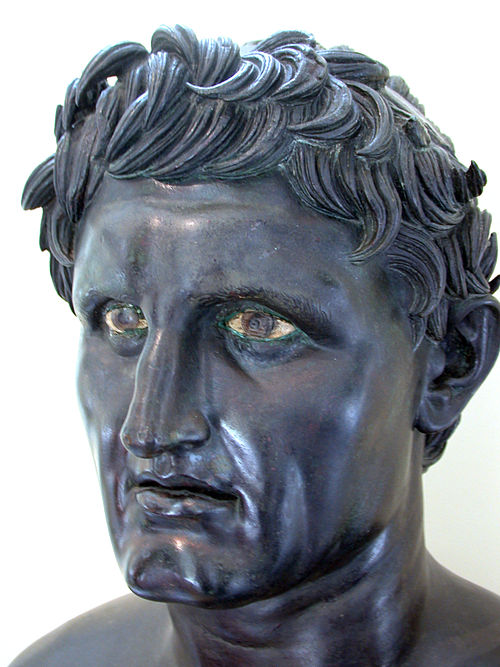
Bust of Seleucus, whose elephants decided the battle
Seleucus I Nicator
Videos
Seleucus I Nicator was a Macedonian Greek general, officer and successor of Alexander the Great who went on to found the eponymous Seleucid Empire, led by the Seleucid dynasty. Initially a secondary p
Battle of Ipsus
…son Demetrius were pitted against the coalition of three other successors of Alexander: Cassander, ruler of Macedon; Lysimachus, ruler of Thrace; and Seleucus I Nicator, ruler of Babylonia and Persia. Diodorus Siculus is the principal source for the history of the Diadochi, in his 'Library of history' (Bibliotheca…

Roman copy of a bronze statue of Seleucus found in Herculaneum (now located at the Naples National Archaeological Museum)
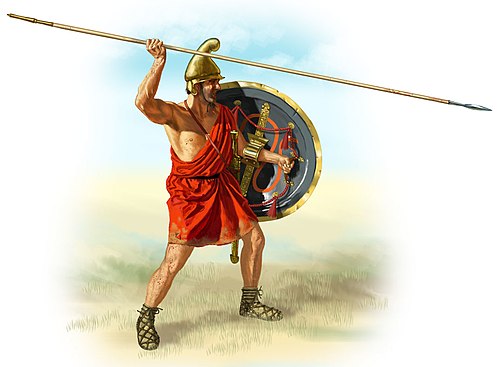
Seleucus led the Royal Hypaspistai during Alexander's Persian campaign.
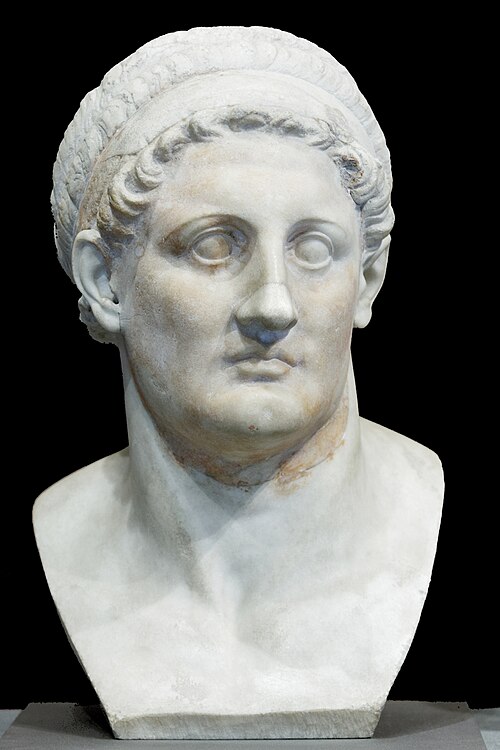
Ptolemy I Soter, an officer under Alexander the Great, was nominated as the satrap of Egypt. Ptolemy made Ptolemaic Egypt independent and proclaimed himself Basileus and Pharaoh in 305 BC.

Bust attributed to Seleucus I Nicator, Roman Imperial artwork made in Syria from a Hellenistic model (c. 200 AD)