Battle of Marston Moor
Videos
The Battle of Marston Moor was fought on 2 July 1644, during the Wars of the Three Kingdoms of 1639–1653. The combined forces of the English Parliamentarians under Lord Fairfax and the Earl of Manches
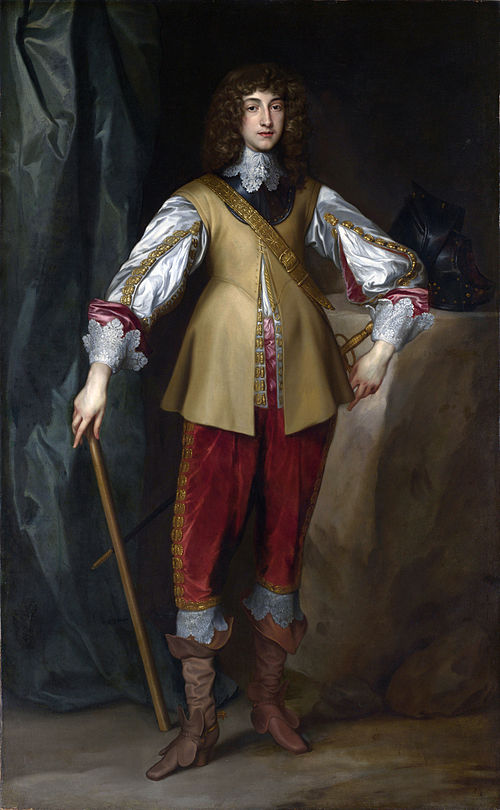
Prince Rupert of the Rhine (1619–1682) – Rupert was ordered to retake the north from Parliament and their Scottish allies.

The monument commemorating the battle, alongside the Long Marston – Tockwith road. In the background is Marston Hill, crowned by the clump of trees known as "Cromwell's plump", reputedly the site of the Parliamentarian and Covenanter headquarters.

Alexander Leslie, 1st Earl of Leven (1580–1661) – Leven commanded the Covenanter and Parliamentarian armies.

Oliver Cromwell (1599-1658) at the Battle of Marston Moor. Cromwell's reputation as an effective cavalry commander and leader was cemented by his success at Marston Moor.
First English Civil War
Videos
The First English Civil War took place in England and Wales from 1642 to 1646, and forms part of the 1639 to 1653 Wars of the Three Kingdoms. An estimated 15% to 20% of adult males in England and Wale
Battle of Marston Moor
…Battle of Marston Moor Part of the First English Civil War The Battle of Marston Moor, 2 July 1644 John Joseph Barker Date 2 July 1644 Location Near Long Marston, Yorkshire, England Result Parliamentarian-Scottish…

Charles I of England, c. 1636
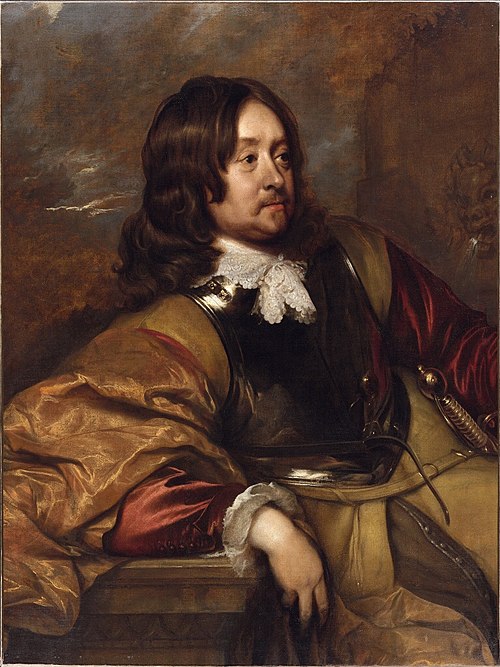
Edward Hyde, later Earl of Clarendon, c. 1643; originally part of the Parliamentary opposition, in 1642 he became Charles' chief advisor
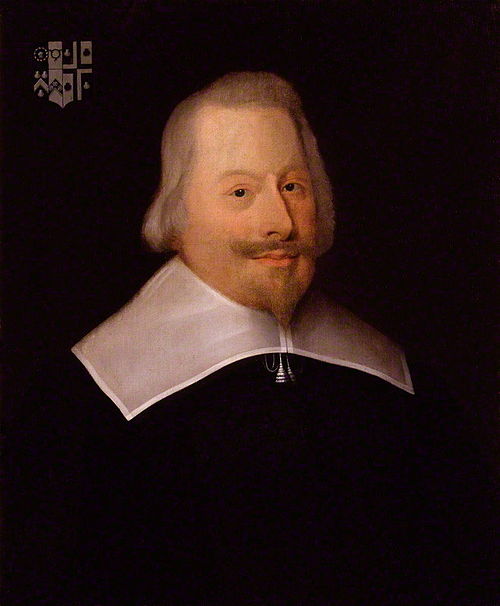
John Pym, who led the opposition to Charles from 1640 until his death in December 1643
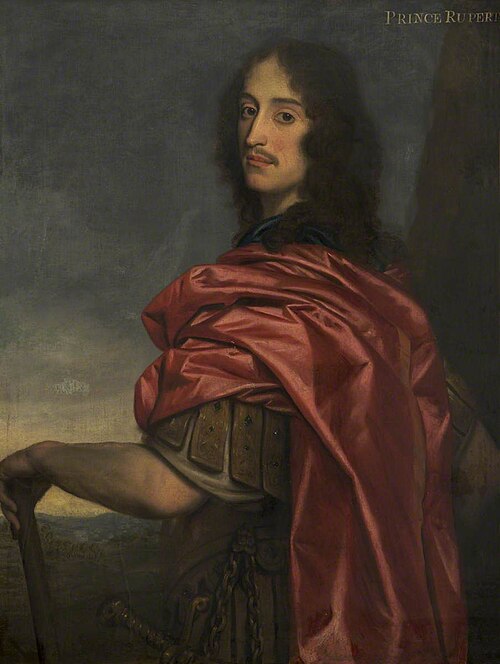
Charles' nephew and most talented general, Prince Rupert, popularised during the Victorian era as the archetypal Cavalier