Battle of Roncevaux Pass
Videos
The Battle of Roncevaux Pass in 778 saw a large force of Basques ambush a part of Charlemagne's army in Roncevaux Pass, a high mountain pass in the Pyrenees on the present border between France and Sp
15th-century anonymous painting of the Battle of Roncevaux Pass


Roland à Roncevaux (c. 1877), painting by Gustave Doré depicting an idealized vision of the Battle of Roncevaux Pass
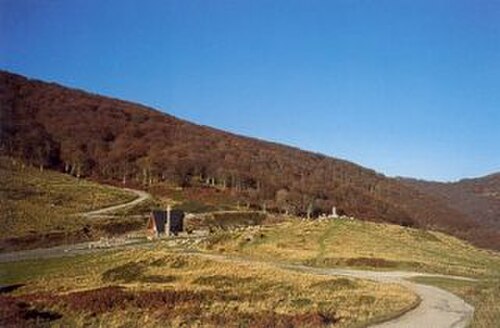
Ibaneta (Roncevaux) pass

The death of Roland and his men
Charlemagne
Videos
Charlemagne was King of the Franks from 768, King of the Lombards from 774, and Emperor of what is now known as the Carolingian Empire from 800. He united most of Western and Central Europe and was th
Battle of Roncevaux Pass
…Battle of Roncevaux Pass (French and English spelling, Roncesvalles in Spanish, Orreaga in Basque) in 778 saw a large force of Basques ambush a part of Charlemagne's army in Roncevaux Pass, a high mountain pass in the Pyrenees on the present border between France and Spain, after his invasion of the Iberian…


Sketch believed to be of Charlemagne, c. 800

Pope Adrian receiving Charlemagne in Rome, painted in 1493

Adrian crowning Louis, as Charlemagne looks on