Behavioral economics
Videos
Behavioral economics is the study of the psychological factors involved in the decisions of individuals or institutions, and how these decisions deviate from those implied by traditional economic theo
Adam Smith, author of The Wealth of Nations (1776) and The Theory of Moral Sentiments (1759)


Herbert A. Simon, winner of the 1975 Turing award, the 1978 Nobel Prize in economics, and the 1988 John von Neumann Theory Prize

Daniel Kahneman, winner of the 2002 Nobel Prize in economics
Economics
Videos
Economics is a social science that studies the production, distribution, and consumption of goods and services.
Behavioral economics
…of fast thinking and the resultant irrational decisions is the 2008 financial crisis. Nudge is a concept in behavioral science, political theory and economics which proposes designs or changes in decision environments as ways to influence the behavior and decision making of groups or individuals—in other…

Euro coins
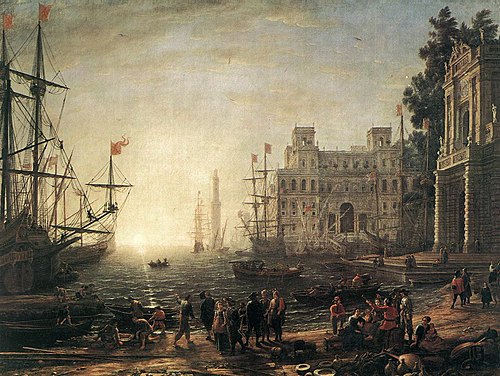
A 1638 painting of a French seaport during the heyday of mercantilism

The publication of Adam Smith's The Wealth of Nations in 1776 is considered to be the first formalisation of economic thought.

The Marxist critique of political economy comes from the work of German philosopher Karl Marx.