The Bhikshuka Upanishad, also known as Bhikshukopanishad, is one of the minor Upanishads of Hinduism and is written in Sanskrit.
The Bhikshuka Upanishad describes Hindu mendicants who seek spiritual liberation through the practise of yoga
Sannyasa, sometimes spelled Sanyasa or Sanyasi, is life of renunciation and the fourth stage within the Hindu system of four life stages known as Ashramas, with the first three being Brahmacharya, Grihastha (householder) and Vanaprastha. Sannyasa is traditionally conceptualized for men or women in late years of their life, but young brahmacharis have had the choice to skip the householder and retirement stages, renounce worldly and materialistic pursuits and dedicate their lives to spiritual pursuits.
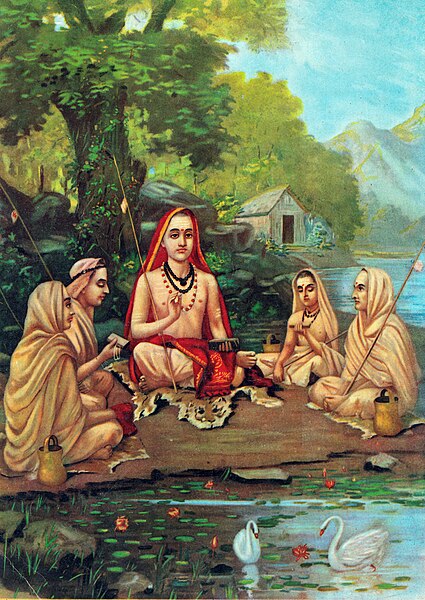
Adi Shankara, founder of Advaita Vedanta, with disciples, by Raja Ravi Varma (1904)
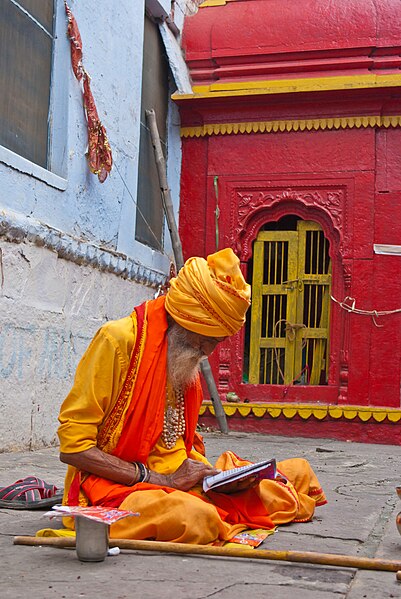
A Hindu Sannyasi. In ancient and medieval literature, they are usually associated with forests and remote hermitages in their spiritual, literary and philosophical pursuits.
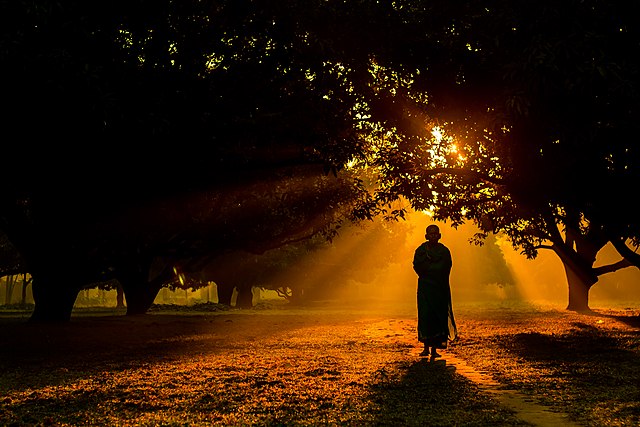
A Hindu monk walking during sunrise in a mango garden in Dinajpur, Bangladesh
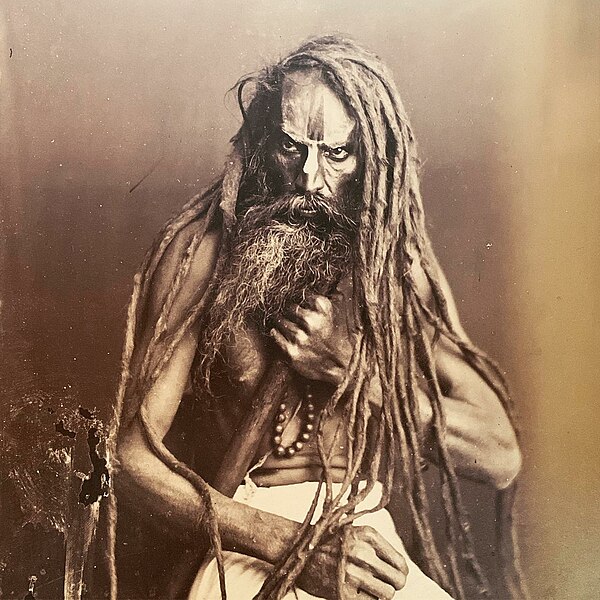
Photograph of a Sanyasi ascetic, albumen print, by Captain W.W. Hooper & Surgeon G. Western, Hyderabad, ca.1865