Biochemistry
Videos
Biochemistry, or biological chemistry, is the study of chemical processes within and relating to living organisms. A sub-discipline of both chemistry and biology, biochemistry may be divided into thre
Gerty Cori and Carl Cori jointly won the Nobel Prize in 1947 for their discovery of the Cori cycle at RPMI.

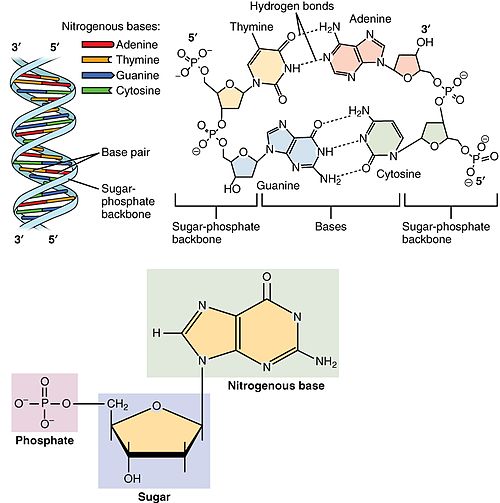
The structure of deoxyribonucleic acid (DNA); the picture shows the monomers being put together.
Chemistry
Videos
Chemistry is the scientific study of the properties and behavior of matter. It is a physical science within the natural sciences that studies matter: composition, structure, properties, behavior and t
Biochemistry
…chemistry (distinct from chemical biology), is the study of chemical processes within and relating to living organisms. A sub-discipline of both chemistry and biology, biochemistry may be divided into three fields: structural biology, enzymology, and metabolism. Over the last decades of the 20th century…
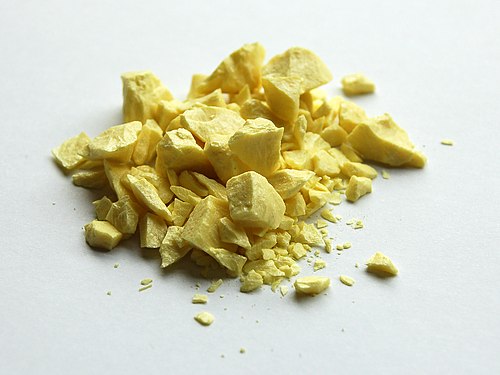
Sulfur sample

Sal

Laboratory, Institute of Biochemistry, University of Cologne in Germany

Solutions of substances in reagent bottles, including ammonium hydroxide and nitric acid, illuminated in different colors