Bird
Videos
Birds are a group of warm-blooded vertebrate animals constituting the class Aves, characterised by feathers, toothless beaked jaws, the laying of hard-shelled eggs, a high metabolic rate, a four-chamb

Kleiber Flug
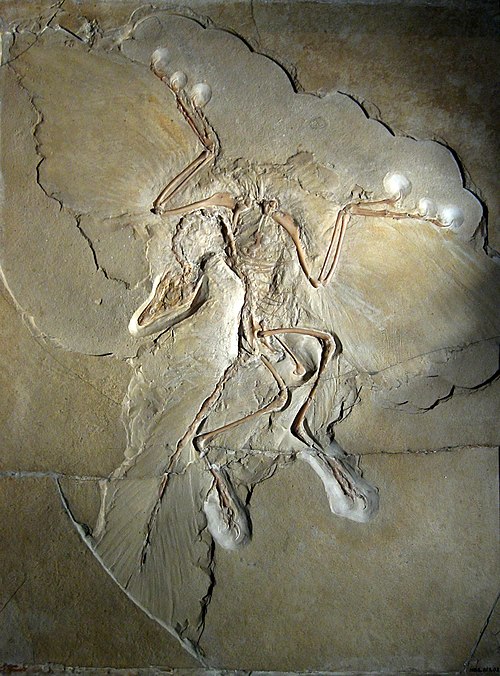
Archaeopteryx is often considered the oldest known true bird.

Anchiornis huxleyi is an important source of information on the early evolution of birds in the Late Jurassic period.

Confuciusornis sanctus, a Cretaceous bird from China that lived 125 million years ago, is the oldest known bird to have a beak.
Ornithurae
Videos
Ornithurae is a natural group that includes modern birds and their very close relatives such as the ichthyornithines and the hesperornithines. This clade is defined in the PhyloCode by Juan Benito and
Bird
…diversified dramatically around the time of the Cretaceous–Paleogene extinction event 66 million years ago, which killed off the pterosaurs and all non-ornithuran dinosaurs. Many social species preserve knowledge across generations (culture). Birds are social, communicating with visual signals, calls, and songs…

Alectura lathami Centenary Lakes crop

Patagonykuspuertai

Confuciusornis plumage pattern

Patagopteryx deferrariisi