Blast valve
Videos
A blast valve is used to protect a shelter, such as a fallout shelter or bunker, from the effects of sudden outside air pressure changes. A nuclear weapon creates a shock wave, which may produce sudde
PV-KK Blast Valve used to protect against peak reflected overpressures up to 15bars (215psi).


PV-KK Blast Valves embedded in massive concrete walls of a hardened shelter / bunker.

Hollow steel ball serving as a blast valve for the ventilating system of a hardened shelter.
Air raid shelter
Videos
Air raid shelters are structures for the protection of non-combatants as well as combatants against enemy attacks from the air. They are similar to bunkers in many regards, although they are not desig

One of the London deep-level shelters, in Belsize Park
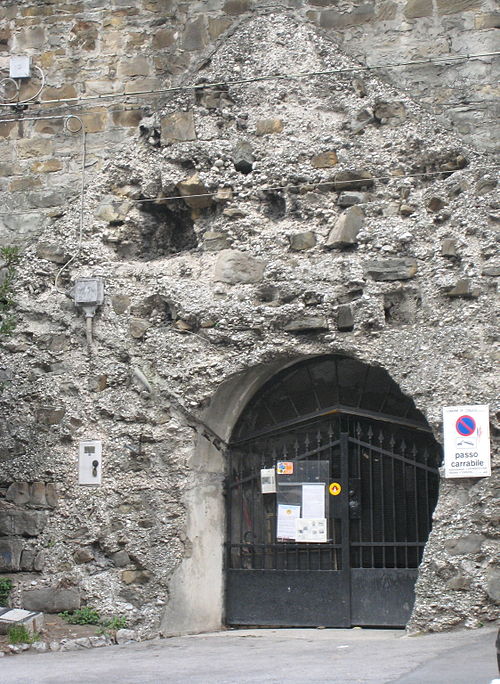
Kleines Berlin (transl. Little Berlin) is the complex of underground air-raid tunnels dating to World War II, which still exists in Trieste, Italy

Single-person air raid shelter on display at the Günter Leonhardt aviation museum near Hanover, Germany

The Hochbunker in Trier