Body of water
Videos
A body of water is a significant accumulation of water on the surface of the earth. The term most often refers to oceans, seas, and lakes, but it includes smaller pools of water such as ponds, wetland

The Aubach, a watercourse in Germany

A fjord (Lysefjord) in Norway.

Port Jackson, Sydney, New South Wales

The Canal Grande in Venice, one of the major water-traffic corridors in the city. View from the Accademia bridge.
Ocean
Videos
The ocean is the body of salt water that covers approximately 70.8% of Earth. The ocean is conventionally divided into large bodies of water, which are also referred to as oceans, and are themselves m
Body of water
…A body of water is a significant accumulation of water on the surface of the earth. The term most often refers to oceans, seas, and lakes, but it includes smaller pools of water such as ponds, wetlands, or more rarely, puddles. A body of water does not have to be still…

Pacific Ocean, largest part of Earth and its ocean, seen from space in 2023
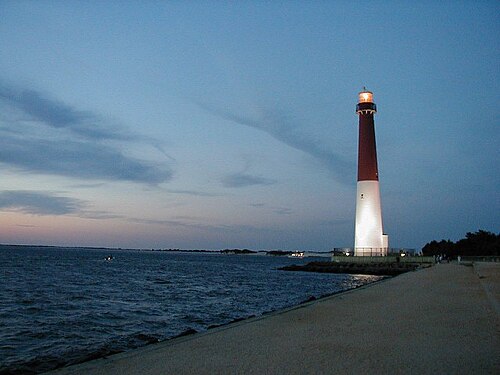
Lighthouse at the coast of Ocean County, New Jersey, U.S., facing the Atlantic Ocean at sunrise

The ocean is a major driver of Earth's water cycle.

High tide and low tide in the Bay of Fundy, Canada