Bract
Videos
In botany, a bract is a modified or specialized leaf, associated with a reproductive structure such as a flower, inflorescence axis or cone scale. Bracts are usually different from foliage leaves in s
Papery (upper) and leafy bracts on Rhinanthus minor (hay rattle). All the "leaves" in this image are bracts.


The yellow bracts of Castilleja levisecta press tight against the stem.
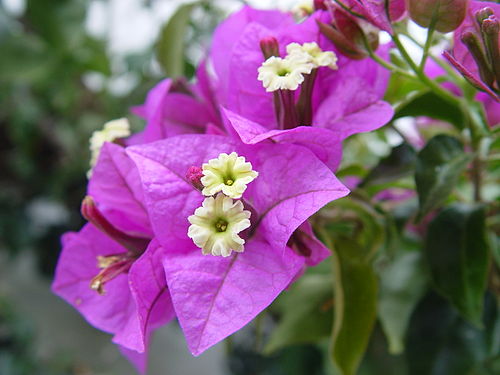
The bracts of Bougainvillea glabra, differ in colour from leaves and attract pollinators.

Bracts along a banana flower stalk surround rows of flowers
Sepal
Videos
A sepal is a part of the flower of angiosperms. Usually green, sepals typically function as protection for the flower in bud, and often as support for the petals when in bloom. Collectively, the sepal
Bract
…usually different from foliage leaves in size, color, shape or texture. They also look different from the parts of the flower, such as the petals or sepals. A plant having bracts is referred to as bracteate or bracteolate, while one that lacks them is referred to as ebracteate or ebracteolate…

Tetramerous flower of Ludwigia octovalvis showing petals and sepals

After blooming, the sepals of Hibiscus sabdariffa expand into an edible accessory fruit.

In many Fabaceae flowers, a calyx tube surrounds the petals.

The large calyx of the medlar fruit is the source of its vulgar nicknames.