The Calendar Act 1750, also known as Chesterfield's Act or the British Calendar Act of 1751, is an act of the Parliament of Great Britain. Its purpose was for Great Britain and the British Empire to a
A memorial plaque. The date of death is given as 28 January 170+8/9


First page of the papal bull Inter gravissimas ("Among the most serious ...")

Portrait of Lord Chesterfield

An Election Entertainment (c. 1755), a painting by William Hogarth, which is the main source for "Give us our Eleven Days".
Gregorian calendar
Videos
The Gregorian calendar is the calendar used in most parts of the world. It went into effect in October 1582 following the papal bull Inter gravissimas issued by Pope Gregory XIII, which introduced it
Calendar (New Style) Act 1750
…the British Calendar Act of 1751, is an act of the Parliament of Great Britain. Its purpose was for Great Britain and the British Empire to adopt the Gregorian calendar (in effect). The act also changed the start of the legal year from 25 March to 1 January. The act elided eleven days from September 1752. It ordered…
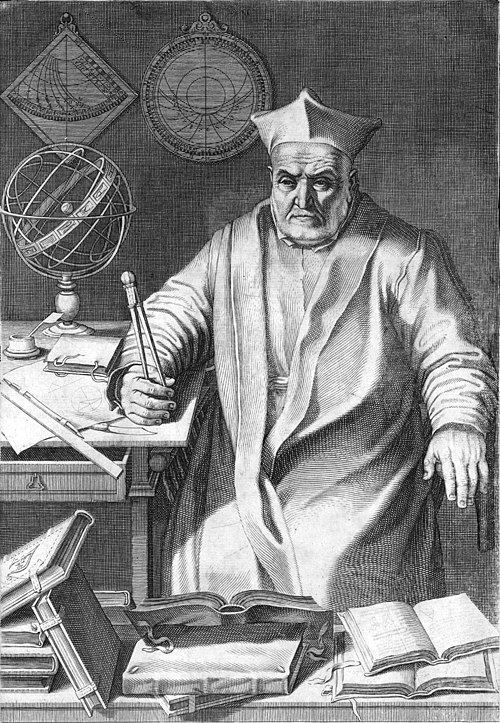
Christopher Clavius (1538–1612), one of the main authors of the reform
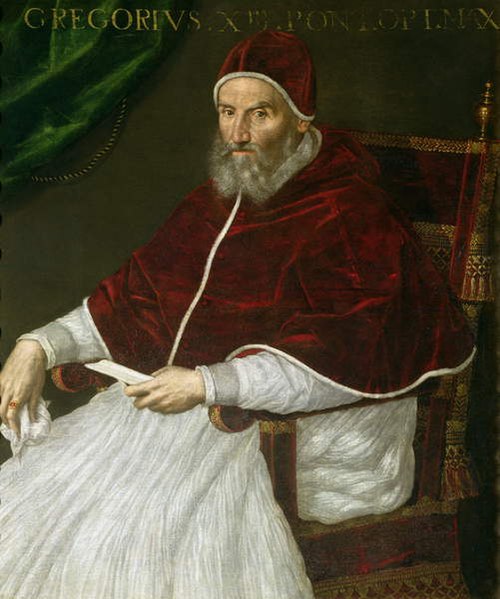
Pope Gregory XIII, portrait by Lavinia Fontana, 16th century

Detail of the pope's tomb by Camillo Rusconi (completed 1723); Antonio Lilio is genuflecting before the pope, presenting his printed calendar.