Cambyses II
Videos
Cambyses II was the second King of Kings of the Achaemenid Empire, reigning from 530 to 522 BCE. He was the son of and successor to Cyrus the Great; his mother was Cassandane. His relatively brief rei

Cambyses (left, kneeling) as pharaoh while worshipping an Apis bull (524 BC)

Overview of the ruins of Babylon
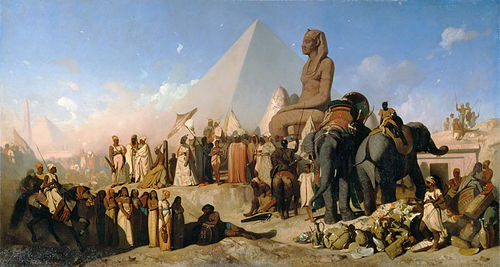
Imaginary 19th-century illustration of Cambyses II meeting Psamtik III.

Ethiopians bring tribute in the Apadana reliefs in Persepolis
Bardiya
Videos
Bardiya or Smerdis, also named as Tanyoxarces by Ctesias, was a son of Cyrus the Great and the younger brother of Cambyses II, both Persian kings. There are sharply divided views on his life. Bardiya
Cambyses II
…gangrenous. Cambyses died three weeks later in Agbatana, likely the modern city of Hama. He died childless, and was thus succeeded by his younger brother Bardiya. Bardiya ruled for a short time, and was then overthrown by Darius the Great (r. 522–486 BC), who went on to increase the power of the Achaemenids…

Portrait of the Achaemenid ruler toppled by Darius, as appearing on the Behistun inscription: he was either the legitimate Bardiya, or, as claimed by Darius, an imposter named Gaumāta.

Gaumata under the boot of Darius the Great, from the Behistun inscription in Kermanshah

Phaedyme is sent by her father Otanes, to check if King Smerdis has ears under his turban, as the suspected imposter was known to have had them cut off in punishment for a crime. She found that indeed the king did not have ears anymore, which proved that he was an imposter, and justified the coup in favour of Darius I.

"The struggle between Gobryas and the false Smerdis", 19th century print.