Camille Pissarro
Videos
Jacob Abraham Camille Pissarro was a Danish-French Impressionist and Neo-Impressionist painter born on the island of Saint Thomas. His importance resides in his contributions to both Impressionism and
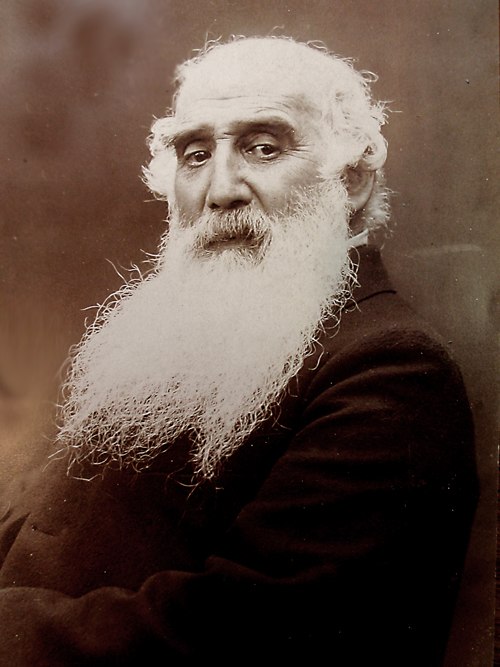
Camille Pissarro, c. 1900

Landscape with Farmhouses and Palm Trees, c. 1853. Galería de Arte Nacional, Caracas

Two Women Chatting by the Sea, St. Thomas, 1856

Jalais Hill, Pontoise, 1867. Metropolitan Museum of Art
Paul Cézanne
Videos
Paul Cézanne was a French Post-Impressionist painter whose work introduced new modes of representation, influenced avant-garde artistic movements of the early 20th century and formed the bridge betwee
Camille Pissarro
…painters", not only because he was the oldest of the group, but also "by virtue of his wisdom and his balanced, kind, and warmhearted personality". Paul Cézanne said "he was a father for me. A man to consult and a little like the good Lord", and he was also one of Paul Gauguin's masters. Pierre-Auguste Renoir…

Photograph of Paul Cézanne

The Overture to Tannhäuser: The Artist's Mother and Sister, 1868, Hermitage Museum, St. Petersburg

Spring, 1860, Petit Palais

Paul Alexis reading to Émile Zola, 1869–70, São Paulo Museum of Art