Captivity narrative
Videos
Captivity narratives are typically personal accounts of people who have been captured by an enemy, generally an enemy with a foreign culture. The best-known captivity narratives in North America are t

The Abduction of Daniel Boone's Daughter by the Indians, Charles Ferdinand Wimar, 1853

Elisa Bravo Jaramillo by Raymond Monvoisin

John Payzant (1749–1834) – captive taken at Lunenburg, Nova Scotia
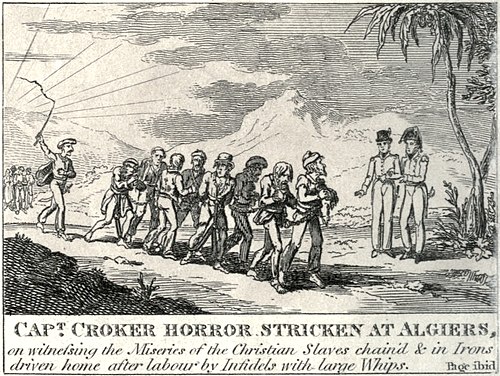
British captain witnessing the miseries of Christian slaves in Algiers, 1815
Hannah Duston
Videos
Hannah Duston was a colonial Massachusetts Puritan woman who was taken captive by Abenaki people from Quebec during King William's War, with her first newborn daughter, during the 1697 raid on Haverhi
Captivity narrative
…1780s. Other popular captivity narratives from the late 17th century include Cotton Mather's "A Notable Exploit: Dux Faemina Facti," on the captivity of Hannah Duston, as well as his account of Hannah Swarton's captivity (1697), both well-known accounts of the capture of women during King William's War, and Jonathan…

New Hampshire historical marker (number 49) in Boscawen

Title page of Cotton Mather's Magnalia Christi Americana (1702) in which he published Hannah Duston's narrative.

The original monument to Hannah Duston, which was later removed and converted into a monument dedicated to the Civil War soldiers of Barre, Massachusetts.
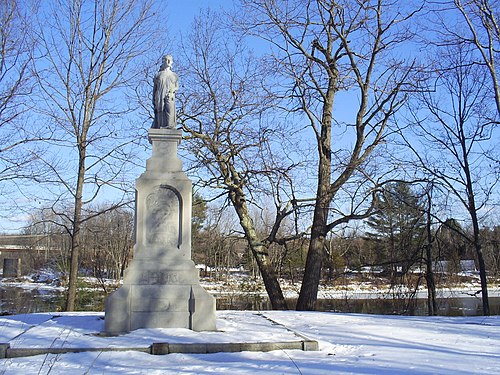
Statue on the island in Boscawen, New Hampshire, where Hannah killed her captors and escaped down the river.