The Catholic Church, led by Popes Pius XI and Pius XII, confronted National Socialism from the rise of the Nazi Party through the Second World War. In the early 1930s, about one third of the German po
Information from Heinrich Maier's group was used by the Allies for Operation Crossbow against the V-2


Centre Party supporters before the 1930 federal election

Heinrich Brüning, chancellor from 1930 to 1932
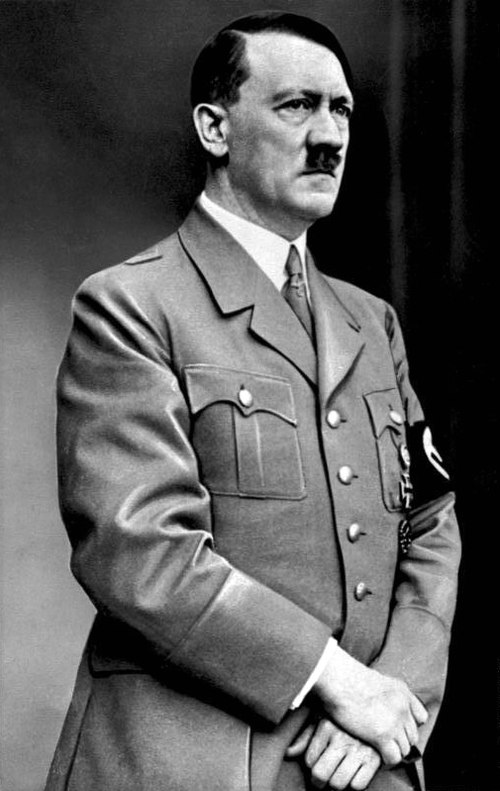
Although Adolf Hitler was raised as a Catholic, he came to despise the religion.
Kirchenkampf
Videos
Kirchenkampf is a German term which pertains to the situation of the Christian churches in Germany during the Nazi period. Sometimes used ambiguously, the term may refer to one or more of the followin

Stormtroopers holding Deutsche Christen propaganda during the Church Council elections on 23 July 1933 at St. Mary's Church, Berlin

The Nazi propaganda minister, Joseph Goebbels, among the most aggressive anti-clerical Nazis, wrote that there was "an insoluble opposition between the Christian and a heroic-German world view".

Martin Bormann, Deputy Nazi Party leader (after Hitler) from April 1941, was the most hardcore Anti-Christian radical in the NSDAP, and saw Nazism and Christianity as incompatible. He had a particular loathing for the Semitic origins of Christianity.