Causes of World War I
Videos
Identifying the causes of World War I remains a debated issue. World War I began in the Balkans on 28 July 1914, and hostilities ended on 11 November 1918, leaving 17 million dead and 25 million wound

Grave implications of the assassination were immediately recognized, as in this 29 June article with subtitles "War Sequel?" and "War May Result", and stating the assassination was "engineered by persons having a more mature organizing ability than that of the youthful assassins".

American cartoon showing territorial dispute between France and Germany over Alsace-Lorraine, 1898

French troops in Morocco, 1912

The Anglo-German naval arms race became a considerable source of tension between Germany and Britain prior to World War I. Royal Navy warships pictured above in battle formation.
World War I
Videos
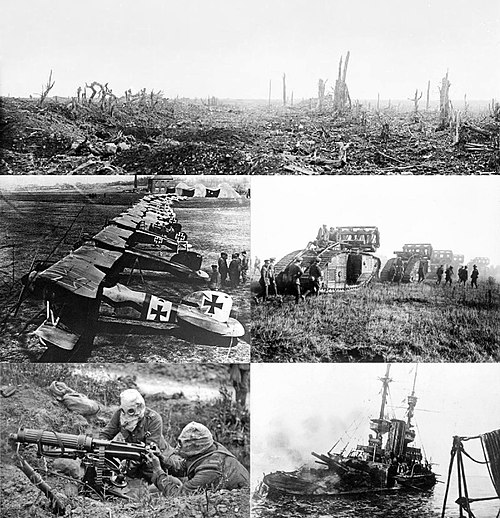
World War I, or the First World War, also known as the Great War, was a global conflict between two coalitions: the Allies and the Central Powers. One of the deadliest conflicts in history, World War
Causes of World War I
…Identifying the causes of World War I remains a debated issue. World War I began in the Balkans on 28 July 1914, and hostilities ended on 11 November 1918, leaving 17 million dead and 25…

Bataille de Verdun 1916

British 39th Siege Battery RGA Somme 1916

American troops going forward to the battle line in the Forest of Argonne. France, September 26, 1918. NARA 530748

Arab Camel Corps