Cave of Treasures
Videos
The Cave of Treasures is pseudepigraphal work of Syriac literature that retells biblical narrative within a distinctly Christian and Mesopotamian setting. Originally composed in Syriac, it provides a

According to the Book of Genesis, humanity spoke a single language and decided to build a city and tower that would reach the heavens, so Yahweh dispersed them by making their languages unintelligible, leaving the city unfinished

The Gospel of Matthew describes the Adoration of the Magi, in which three "wise men" from the East travel to Judea to worship the newborn Jesus Christ, presenting him with three gifts: gold, frankincense, and myrrh
Ephrem the Syrian
Videos
Ephrem the Syrian, also known as Ephraem the Deacon, Ephrem of Edessa or Aprem of Nisibis was a prominent Christian theologian and writer who is revered as one of the most notable hymnographers and au
Cave of Treasures
…including among authors such as the author of the Chronicle of Zuqnin, Michael the Syrian, and Barhebraeus. The Cave of Treasures was long attributed to Ephrem the Syrian (c. 306–373) due to some manuscripts bearing a heading that names him, but modern scholarship has completely rejected this attribution. The text was…

Syriac Orthodox icon of Saint Ephrem the Syrian
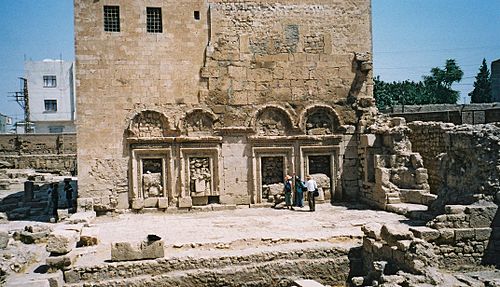
Newly excavated Church of Saint Jacob of Nisibis, where Ephrem taught and ministered

The interior of the Church of Saint Jacob in Nisibis

Dormition of Saint Ephraim