Cement
Videos
A cement is a binder used for construction that sets, hardens, and adheres to other materials to bind them together. Cement is seldom used on its own, but rather to bind sand and gravel together. Ceme
Cement powder being poured from a bag, ready to be mixed with aggregates and water.


Clinker nodules produced by sintering at 1450 °C
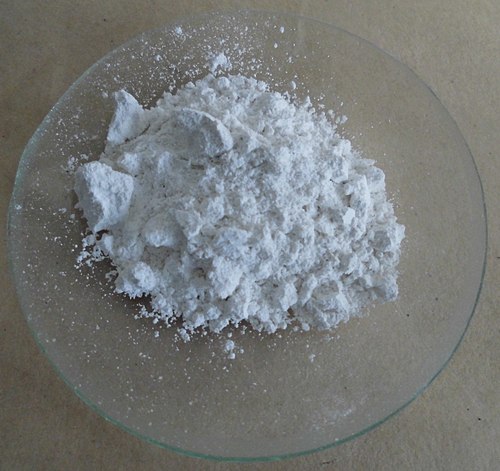
Calcium oxide obtained by thermal decomposition of calcium carbonate at high temperature (above 825 °C).

William Aspdin is considered the inventor of "modern" Portland cement.
Portland cement
Videos
Portland cement is the most common type of cement in general use around the world as a basic ingredient of concrete, mortar, stucco, and non-specialty grout. It was developed from other types of hydra
Cement
…depending on the ability of the cement to set in the presence of water (see hydraulic and non-hydraulic lime plaster). Hydraulic cements such as Portland cement set and become adhesive through a chemical reaction between the dry ingredients and water. The chemical reaction results in mineral hydrates that are…

Bags of Portland cement wrapped and stacked on a pallet.

Blue Circle Southern Cement works near Berrima, New South Wales, Australia

Plaque in Leeds, England commemorating Joseph Aspdin