Centuriate assembly
Videos
The centuriate assembly was a popular assembly of ancient Rome. In the Roman Republic, its main function was electing the consuls, praetors, and censors. It was made up of 193 centuries which were app

After reforms in the third century BC, the first class of centuries fell from 80 centuries to 70 centuries and the centuria praerogativa was added to guide elections.

The emperor Tiberius, pictured, de facto transferred elections from the comitia centuriata to the senate by having it select the candidates to be presented to the people.
Roman consul
Videos
The consuls were the two highest elected public officials of the Roman Republic. Romans considered the consulship the second-highest level of the cursus honorum—an ascending sequence of public offices
Centuriate assembly
…The centuriate assembly (Latin: comitia centuriata) was a popular assembly of ancient Rome. In the Roman Republic, its main function was electing the consuls, praetors, and censors. It was made up of 193 centuries (Latin: centuriae) which were apportioned to Roman citizens by wealth and age, hugely overweighting…

Gold coin from Dacia, minted by Coson, depicting a consul and two lictors
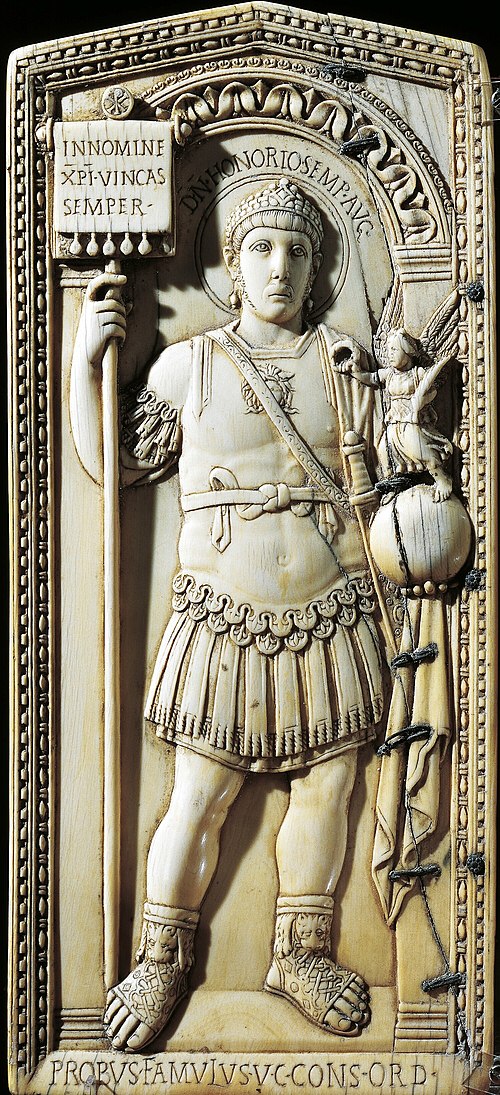
Diptych of Honorius

Diptych of Constantius III